On the afternoon of May 8, 2026, the Third Thematic Event on “Intelligent Emergency Management for Complex Systems” was held at the National Exhibition and Convention Center in Shanghai. The event was hosted by the University of Shanghai for Science and Technology (USST) and organized by the School of Intelligent Emergency Management (SIEM) of USST and the Shanghai Society of Traffic Engineering. As one of the key thematic events of the Fifth Yangtze River Delta International Emergency Disaster Reduction and Rescue Expo, the event focused on frontier theories and practical applications in intelligent emergency management, promoted deeper collaborative innovation among government, industry, academia, research institutions, and application sectors, and injected new momentum into the modernization of emergency governance systems and capabilities in megacities.
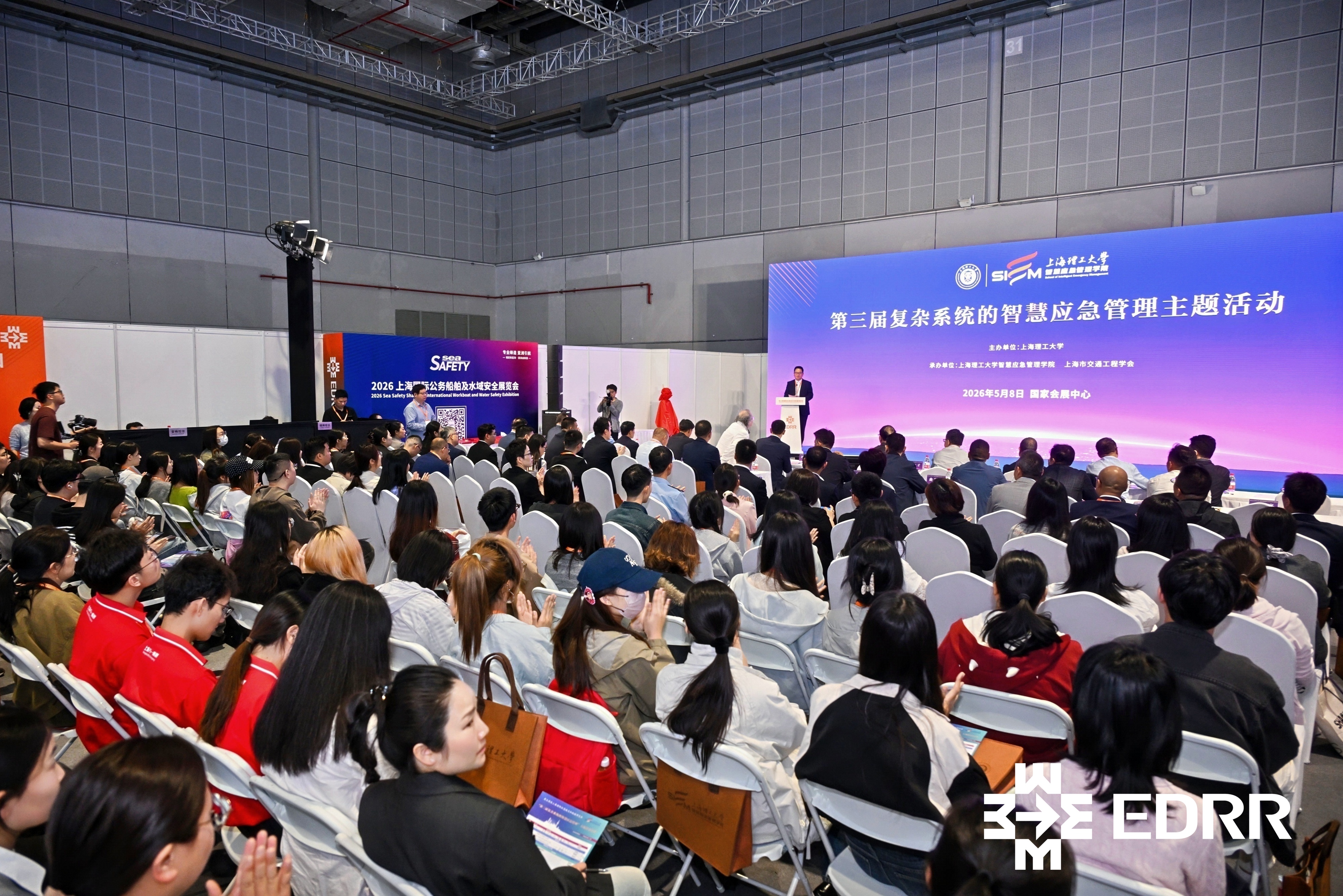
Conference Venue
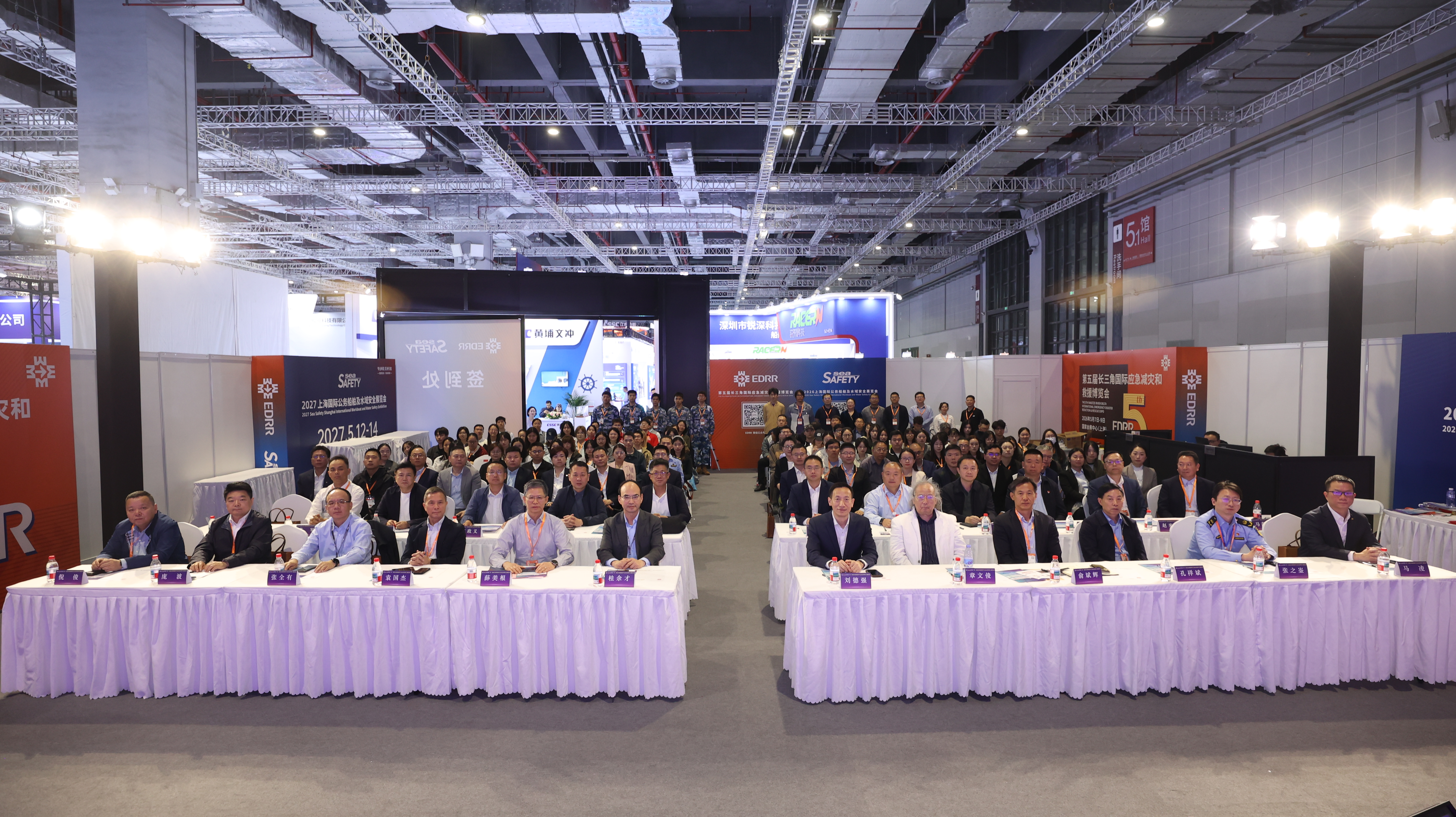
Group Photo
Gui Yucai, Level I Bureau Rank Official of the Shanghai Emergency Management Bureau and Secretary of the Party Committee of its Directly Affiliated Organs; Xue Meigen, Vice President of the Shanghai Society of Traffic Engineering and President of the Shanghai Urban-Rural Construction and Transportation Development Research Institute; and Liu Deqiang, Deputy Secretary of the Party Committee and Vice President of USST, attended the event and delivered speeches. Zhang Quanyou, Level II Bureau Rank Official of the Shanghai Municipal Emergency Management Bureau; Ma Ling, Secretary of the Party Committee and Chairman of Shanghai Security Service Group; representatives from universities, research institutions, and leading organizations in the field of emergency management; as well as faculty members and students from relevant disciplines at USST also participated in the event.
Liu Deqiang noted that, drawing on USST’s strengths in systems science, management science and engineering, and other related disciplines, the School of Intelligent Emergency Management has made solid progress in platform development, scientific research, and industry-education integration. A number of technological achievements have been applied in scenarios such as large passenger-flow management in metro systems, workplace safety supervision, and emergency resource allocation. Taking the university’s 120th anniversary as an opportunity, USST will continue to strengthen its distinctive platform for intelligent emergency management, strive to build a high-level hub for talent cultivation, technological innovation, and achievement transformation, and contribute USST wisdom and strength to the safe development of megacities.
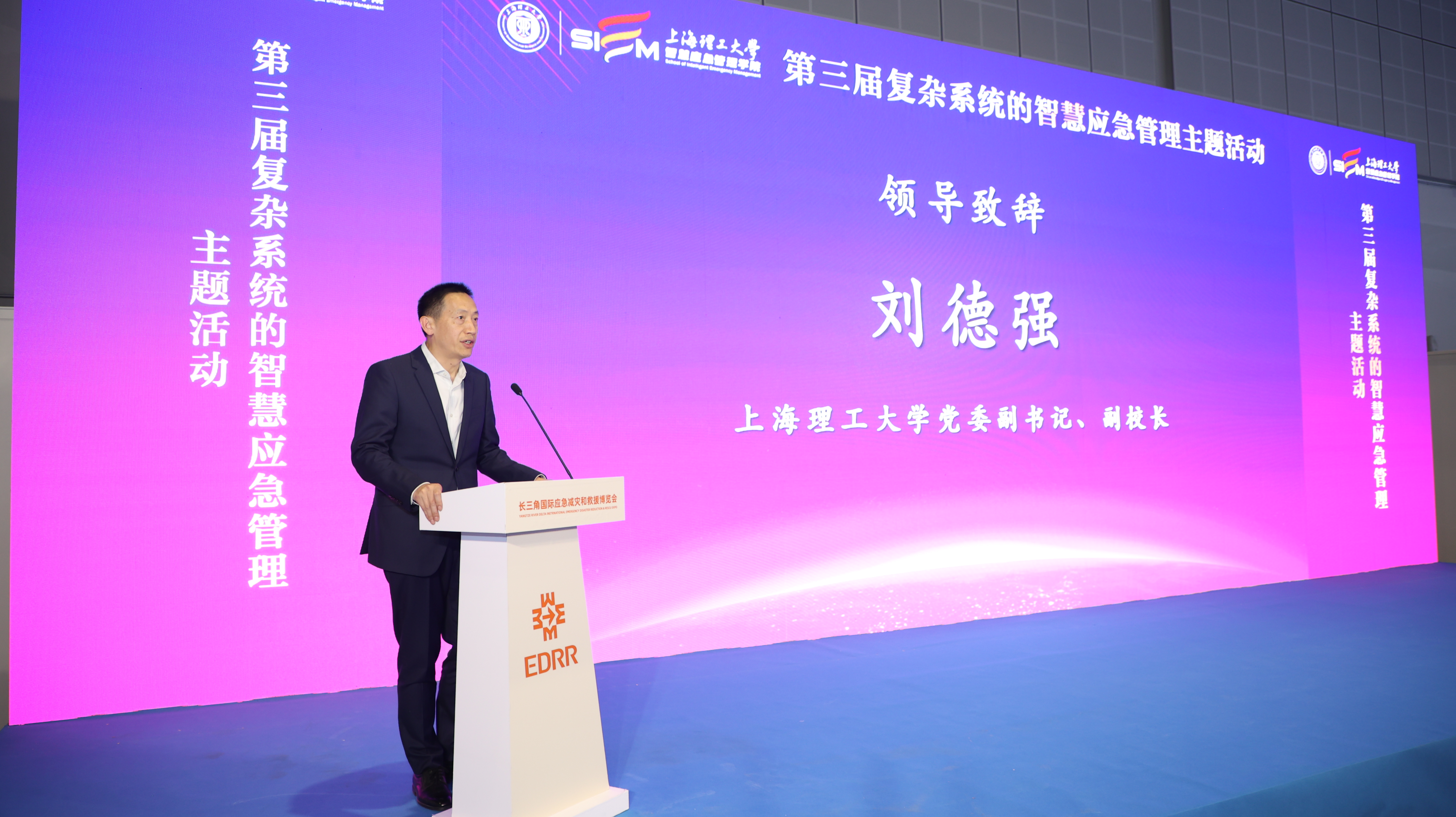
Speech by Liu Deqiang
Xue Meigen emphasized that the transportation system is a key component of the emergency rescue system and an important lifeline channel. The Shanghai Society of Traffic Engineering will continue to play its role as a bridge, promote deeper integration between transportation and emergency management, and strengthen exchanges and cooperation in areas such as risk awareness, key technologies, and the coordination of routine and emergency operations. It will make every effort to contribute the professional wisdom and strength of the transportation sector to the modernization of emergency management systems and capabilities.
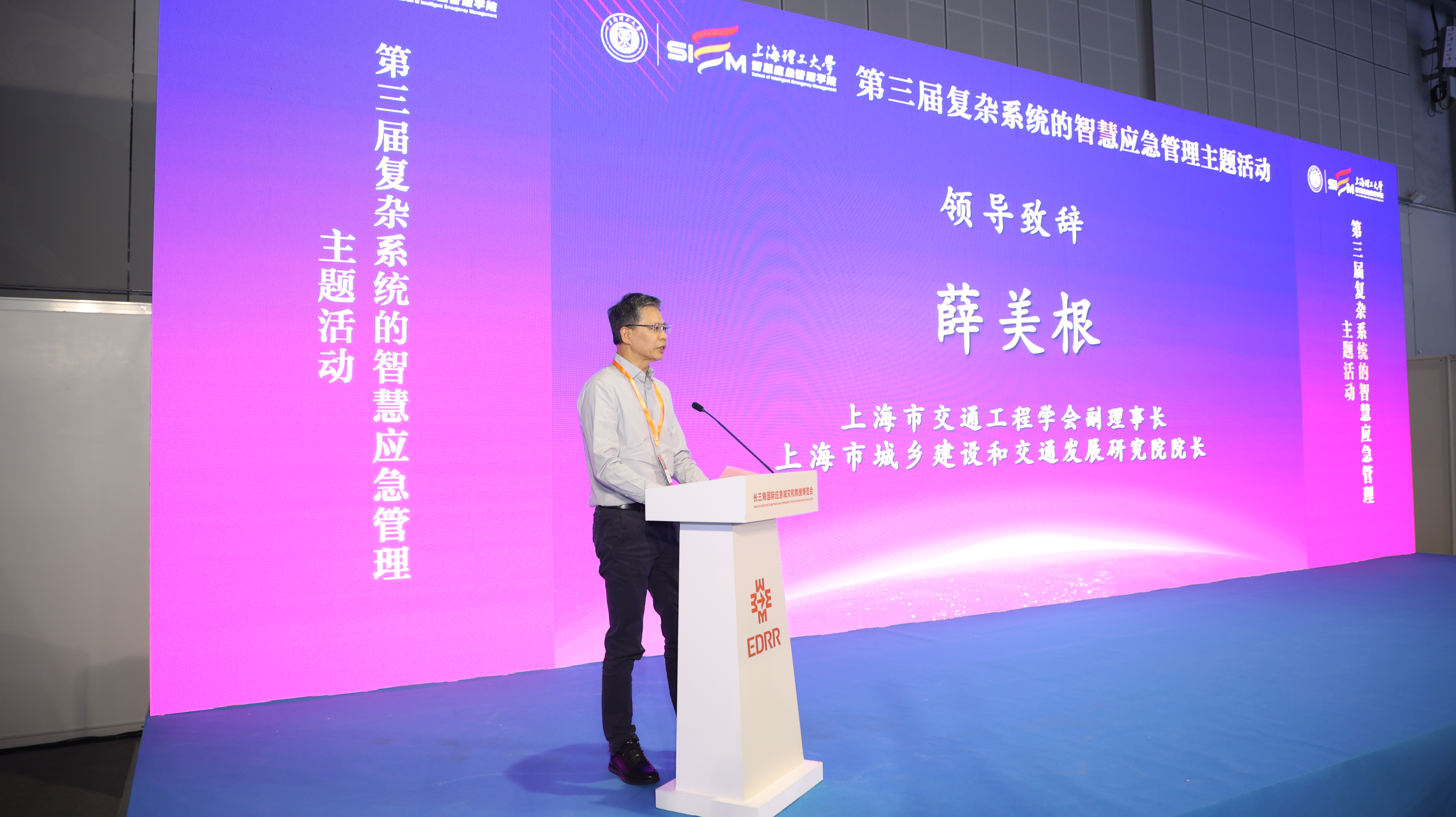
Speech by Xue Meigen
Gui Yucai pointed out that the School of Intelligent Emergency Management has closely followed the main theme of empowering emergency management through science and technology. Through in-depth cooperation among government, industry, universities, research institutions, and application sectors, the school has developed a number of exemplary achievements in the field of intelligent emergency management, providing strong support for the construction of a resilient and safe city in Shanghai. The Shanghai Municipal Emergency Management Bureau will continue to deepen university-local government cooperation, support the school in building a benchmark for emergency management talent cultivation and technological innovation, and contribute replicable and promotable “Shanghai experience” to the development of China’s emergency management system.
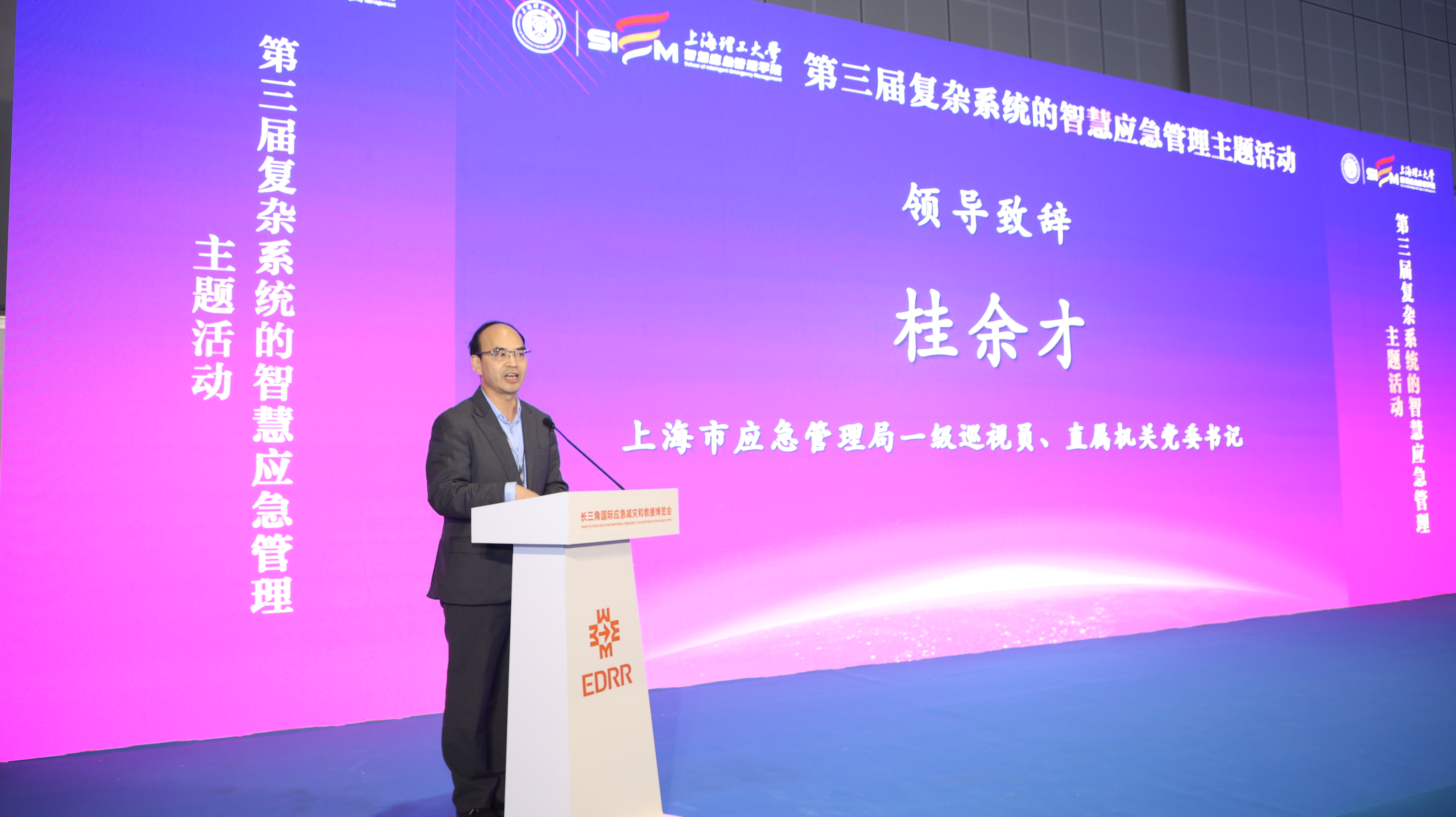
Speech by Gui Yucai
Zhao Laijun, Dean of the Business School and Dean of the School of Intelligent Emergency Management at USST, delivered the school’s annual work report. The report comprehensively presented the school’s achievements in discipline development, scientific research and innovation, talent cultivation, and social services, and systematically reviewed its progress and outcomes in areas such as emergency management for megacities, emergency support for the , and safety governance of complex systems.
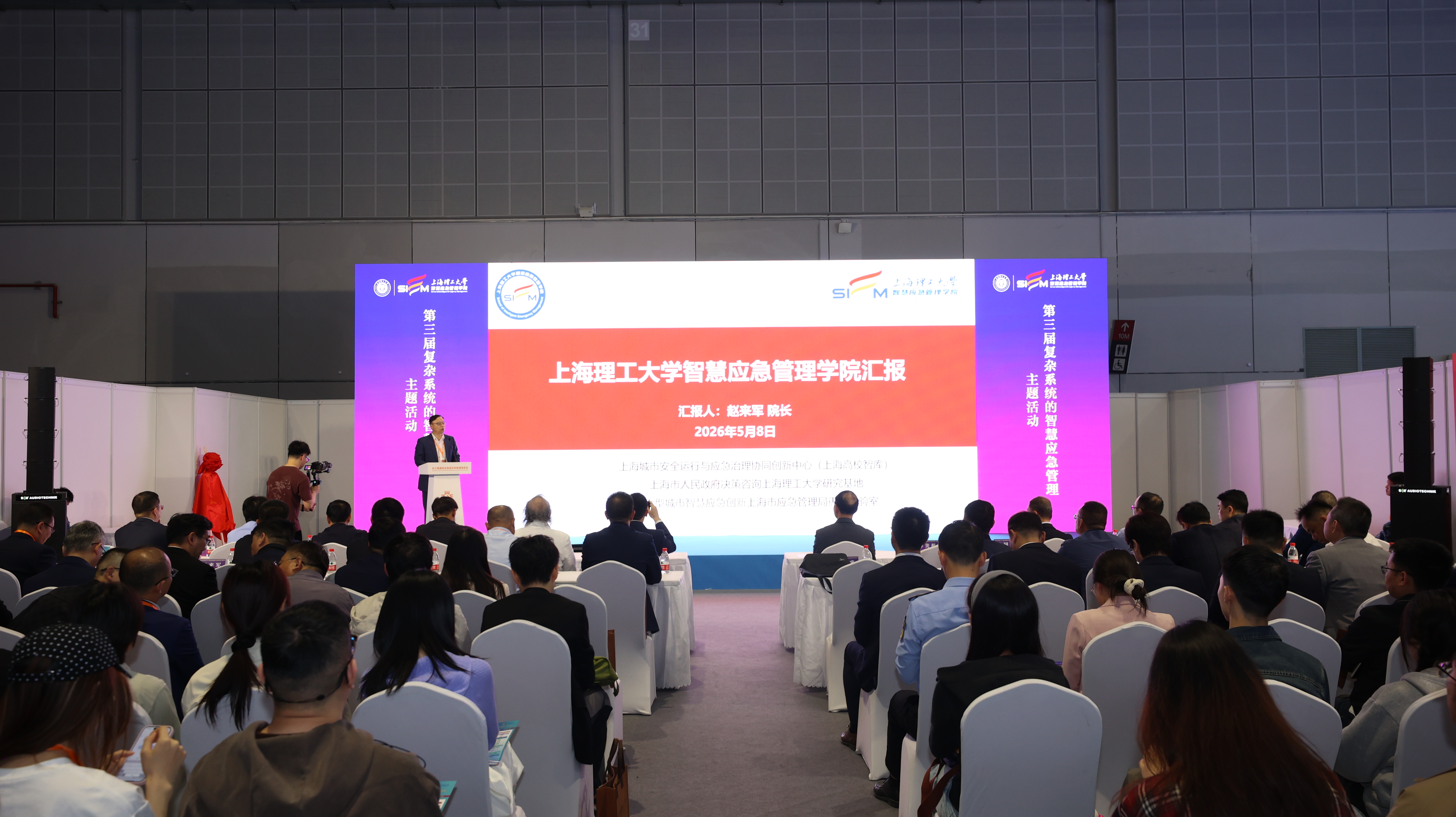
Work Report by Zhao Laijun
USST signed strategic cooperation agreements with Shanghai LangXAI Co., Ltd., the Huiguang Technology Artificial Intelligence Special Program, the Law Enforcement Corps of the Shanghai Municipal Emergency Management Bureau, Shanghai Security Service Group, Shanghai Zhexun Information Technology Co., Ltd., Lanxiang Big Data Technology (Shanghai) Co., Ltd., Shanghai Wanyi Safety Technology Co., Ltd., Huiguang Intelligent Technology Co., Ltd., Xuancheng Vocational and Technical College, and other institutions. The cooperation covers the full chain of talent cultivation, scientific research, achievement transformation, internships, and practical training, further improving the collaborative development mechanism that deeply integrates government, industry, academia, research institutions, and application sectors.
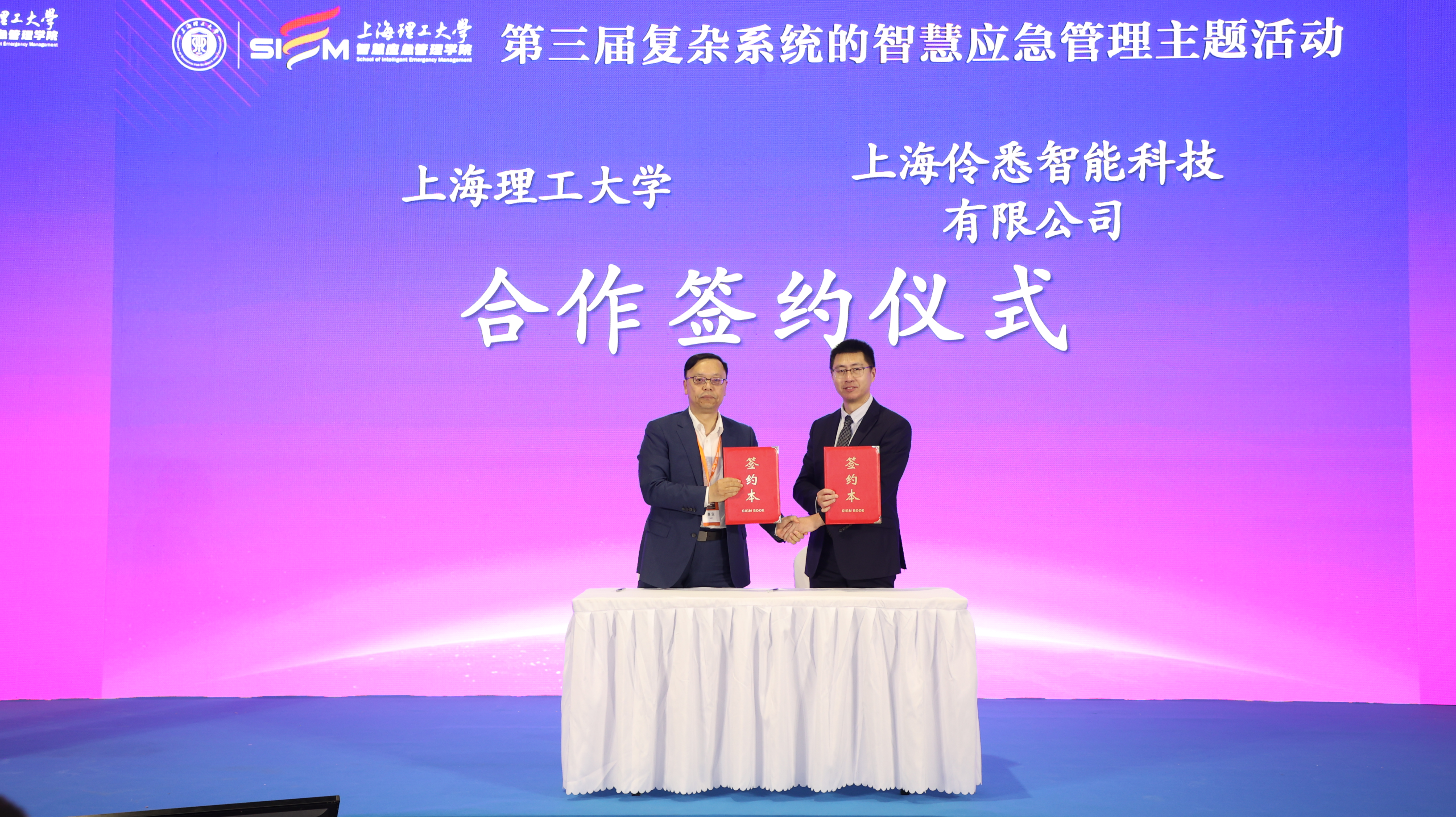
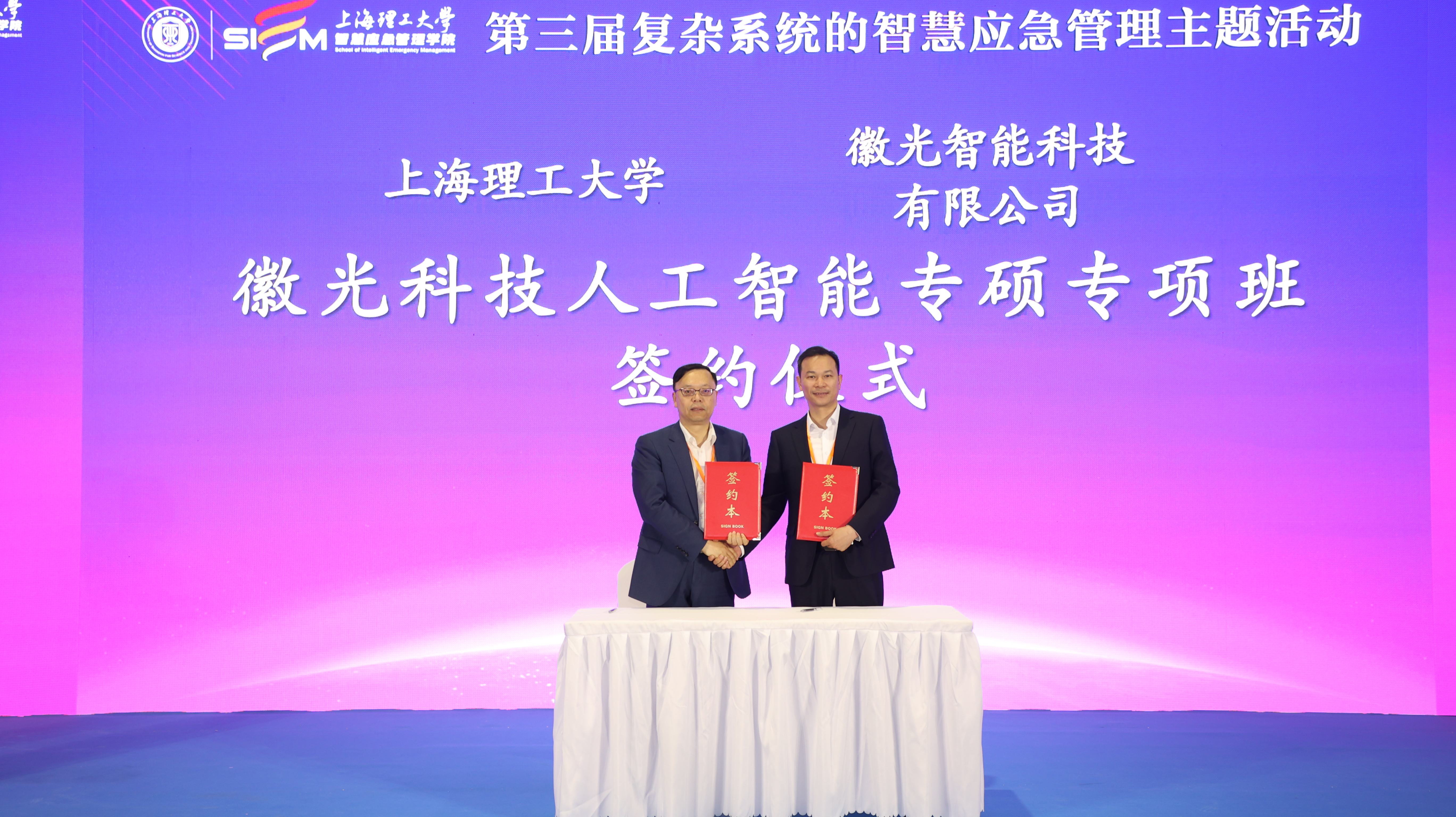
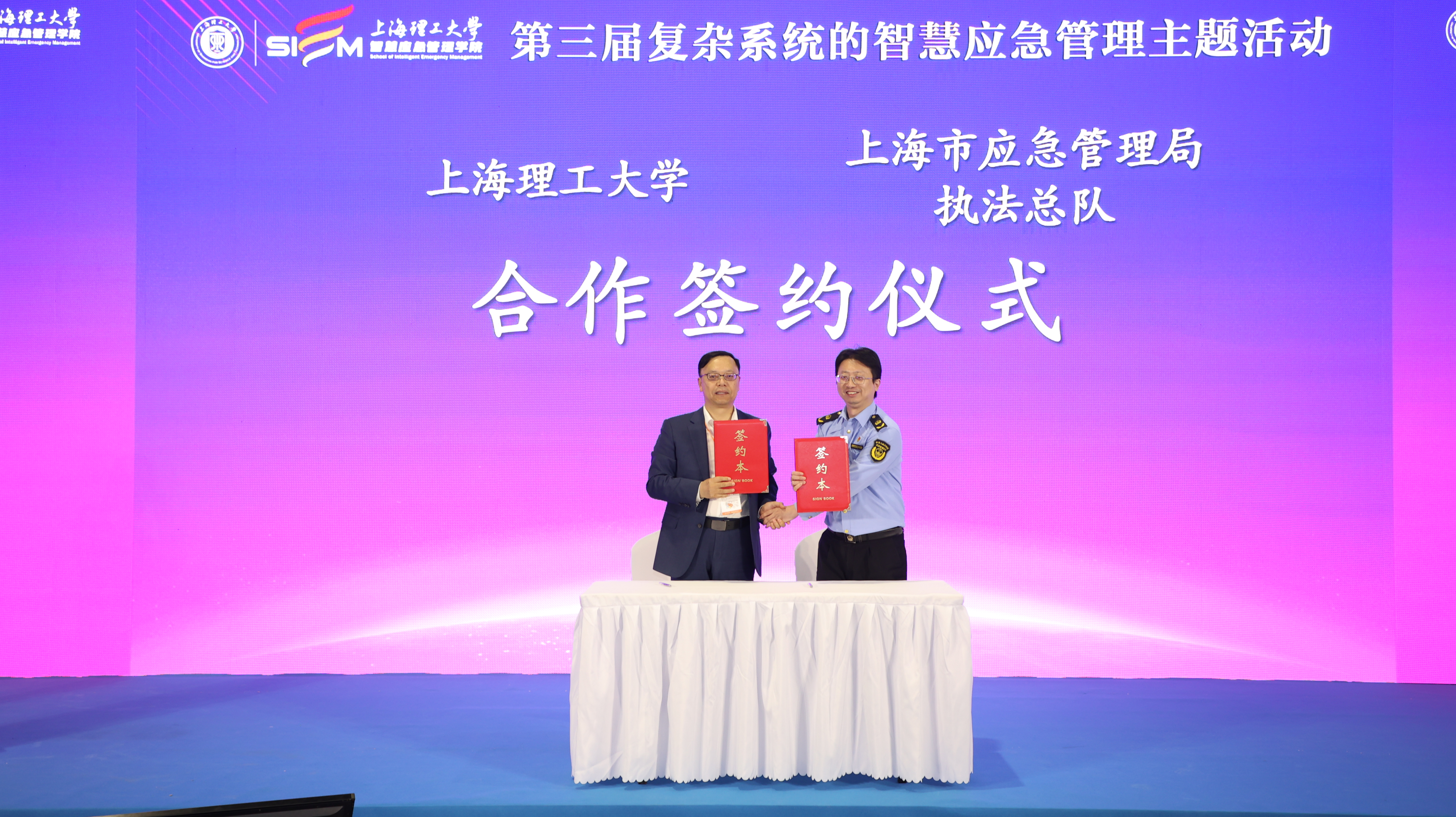
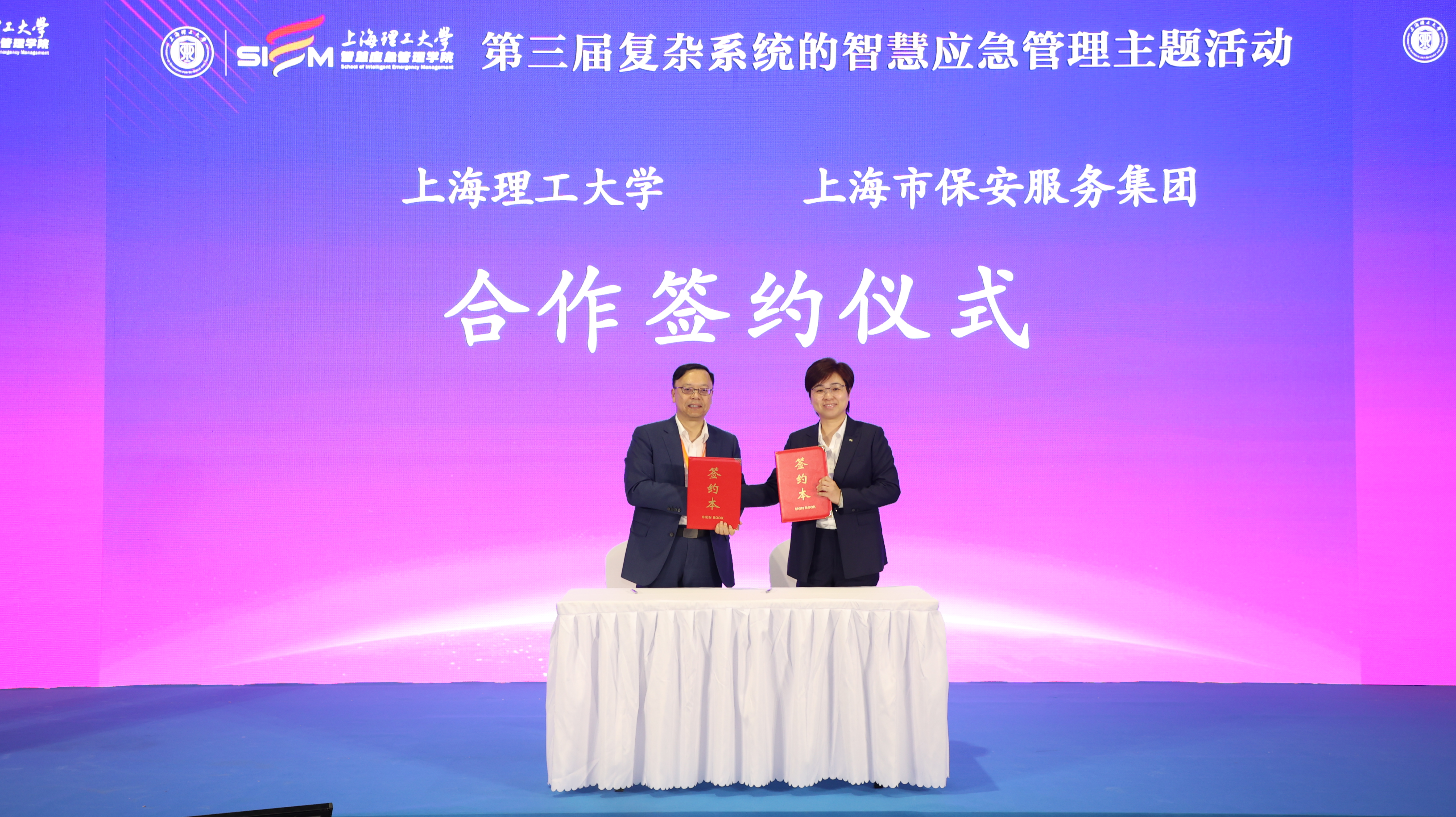
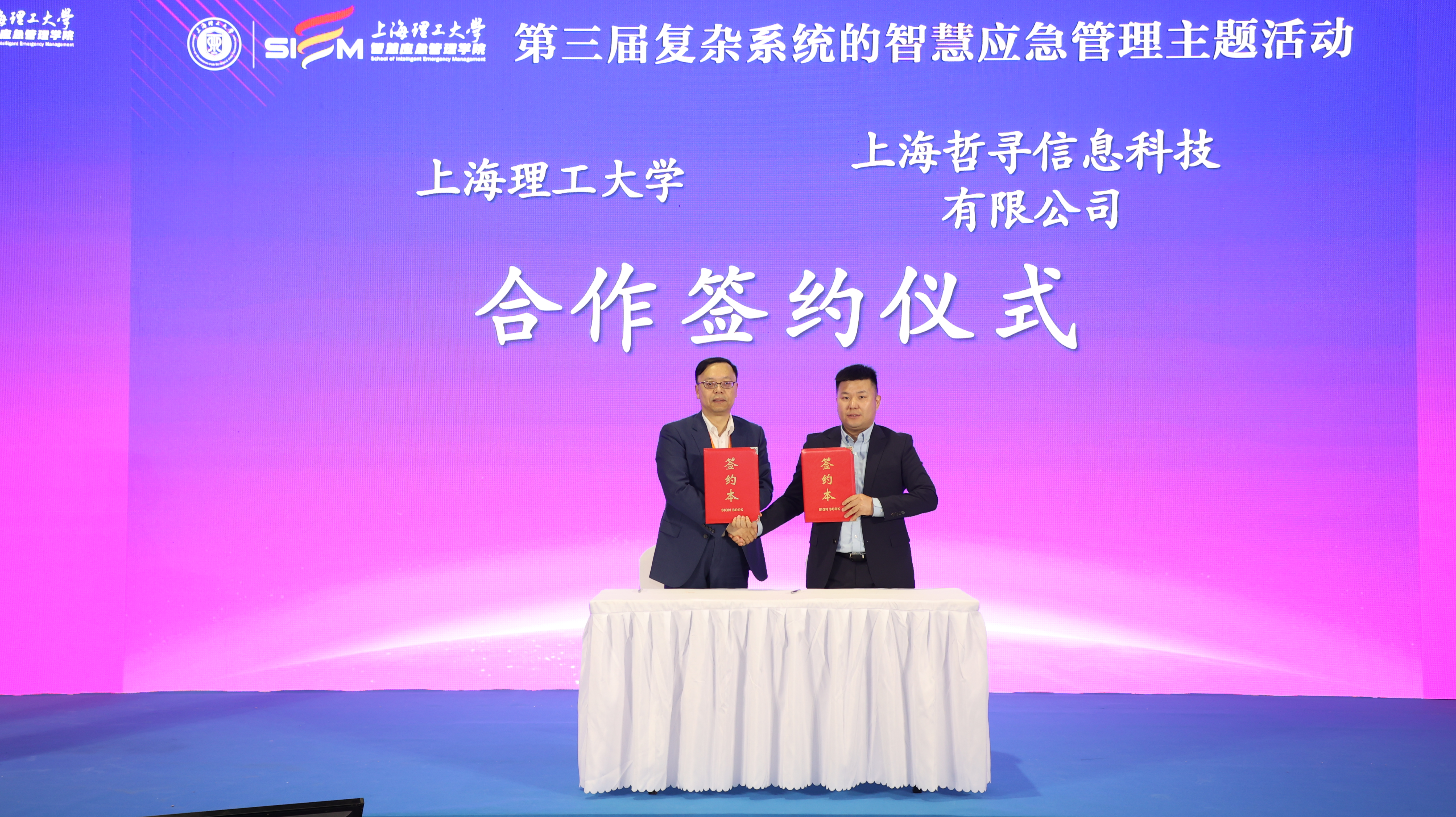
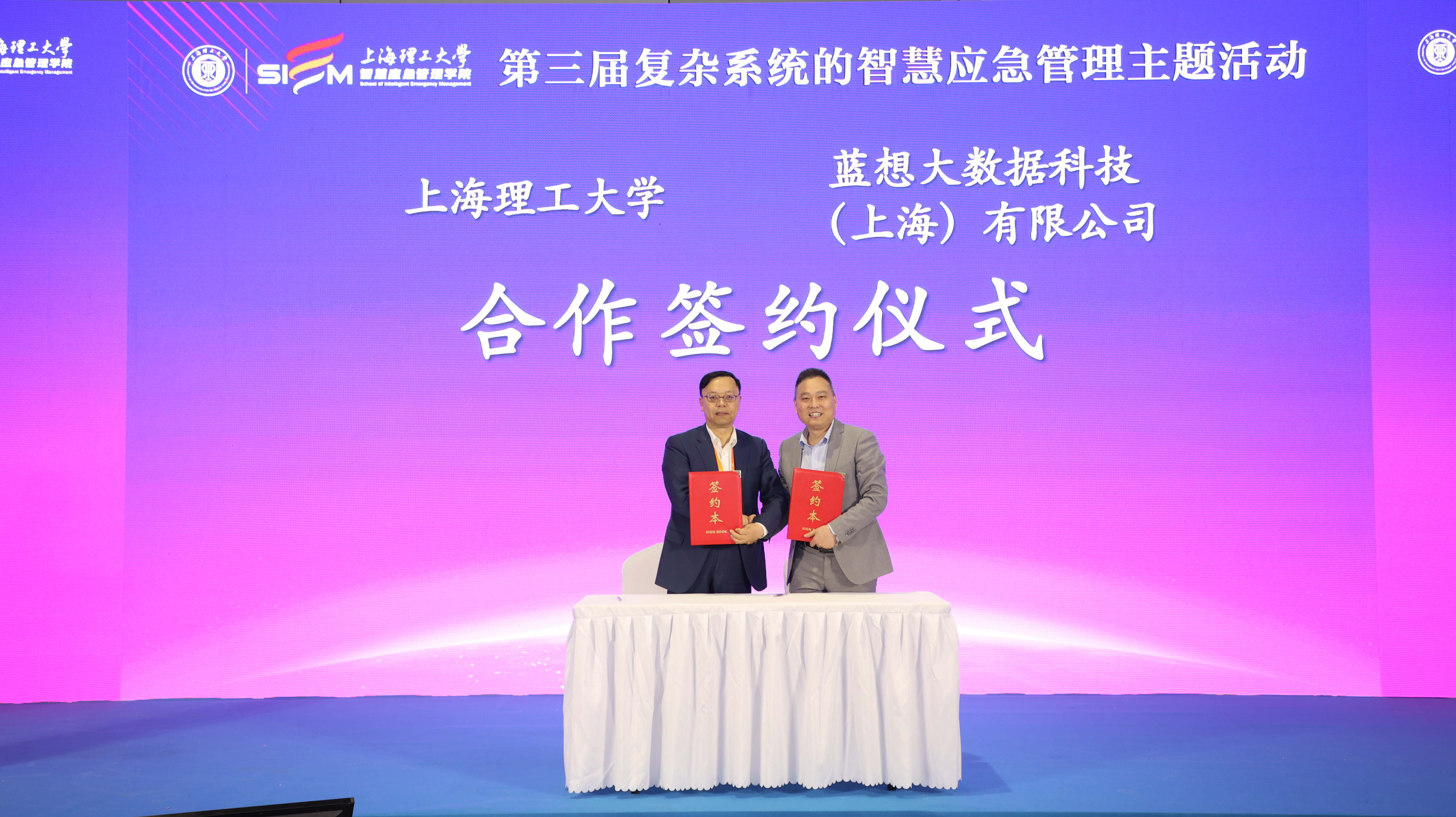
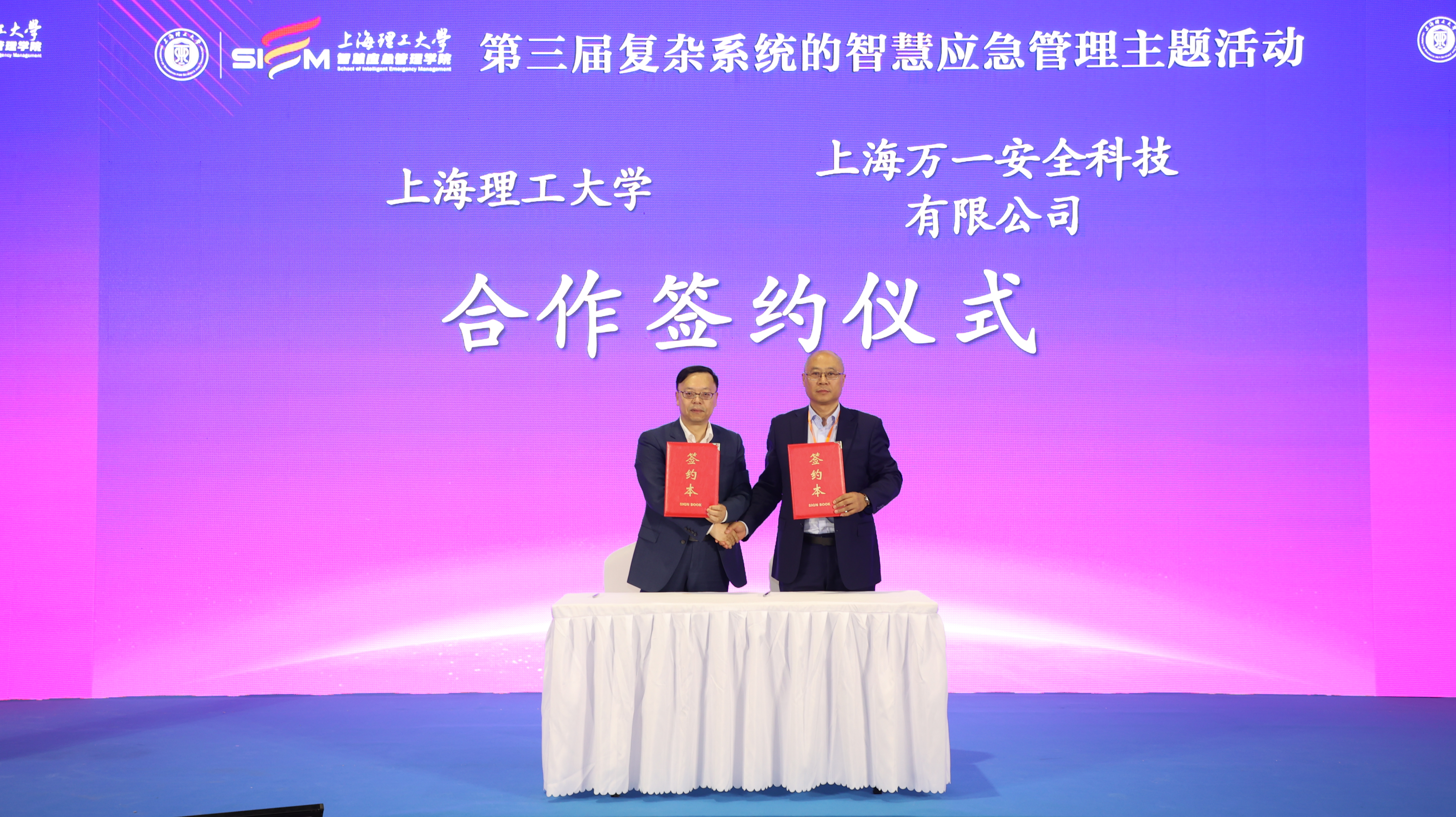
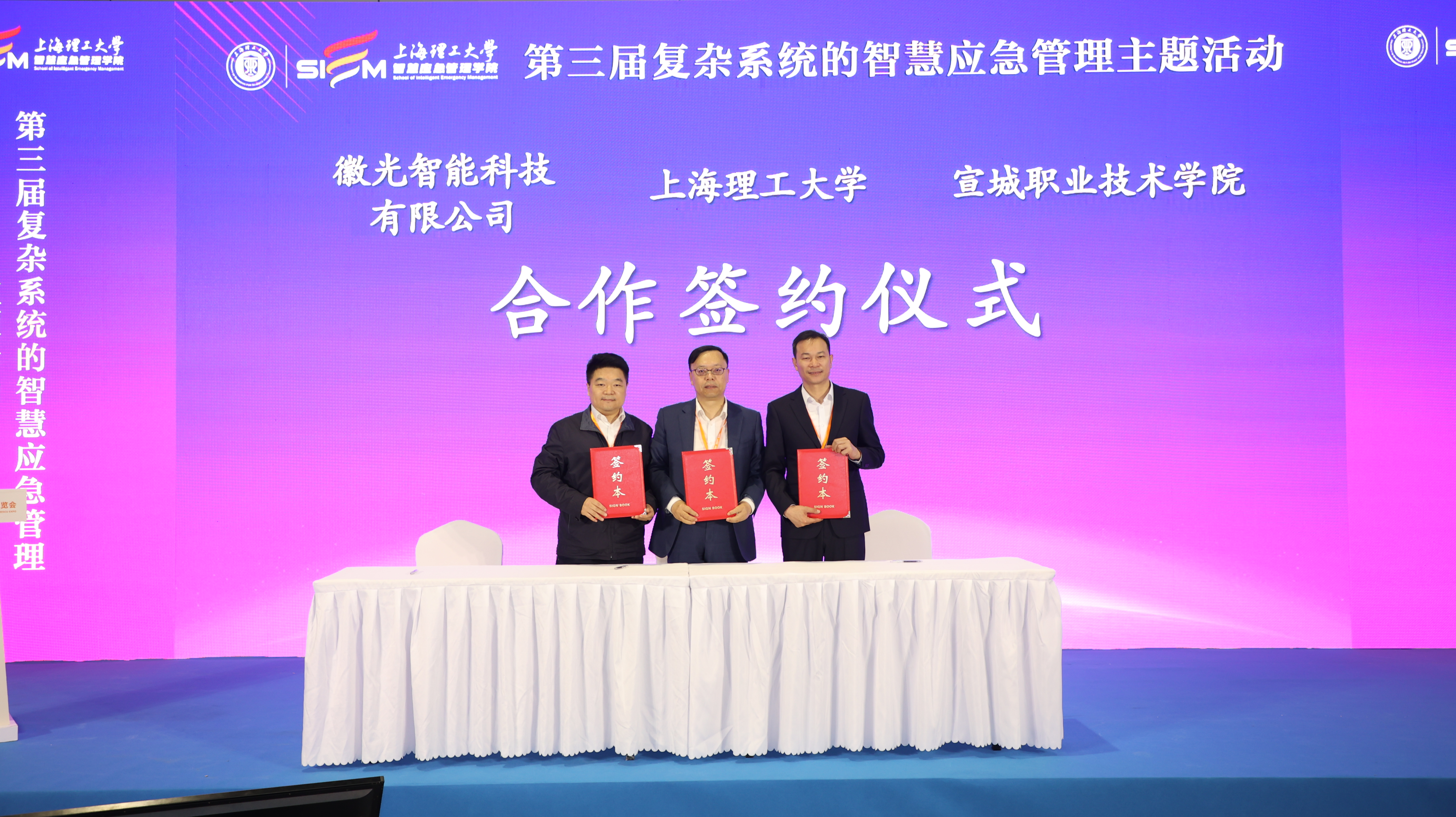
Signing Ceremony
Three major innovation platforms were officially inaugurated: the “USST–Law Enforcement Corps of the Shanghai Municipal Emergency Management Bureau Intelligent Emergency Management Internship Base,” the “Yangtze River Delta Low-Altitude Economy and Intelligent Emergency Management Collaborative Innovation Center of the Shanghai Key Laboratory for Intelligent Emergency Innovation in Megacities,” and the “USST School of Intelligent Emergency Management–Shanghai Wanyi Safety Technology Co., Ltd. Practical Teaching Base.” The establishment of these three platforms will further remove barriers to collaborative innovation among universities, local governments, and enterprises, providing solid support for talent cultivation, technological research and development, and scenario-based applications in the field of intelligent emergency management.
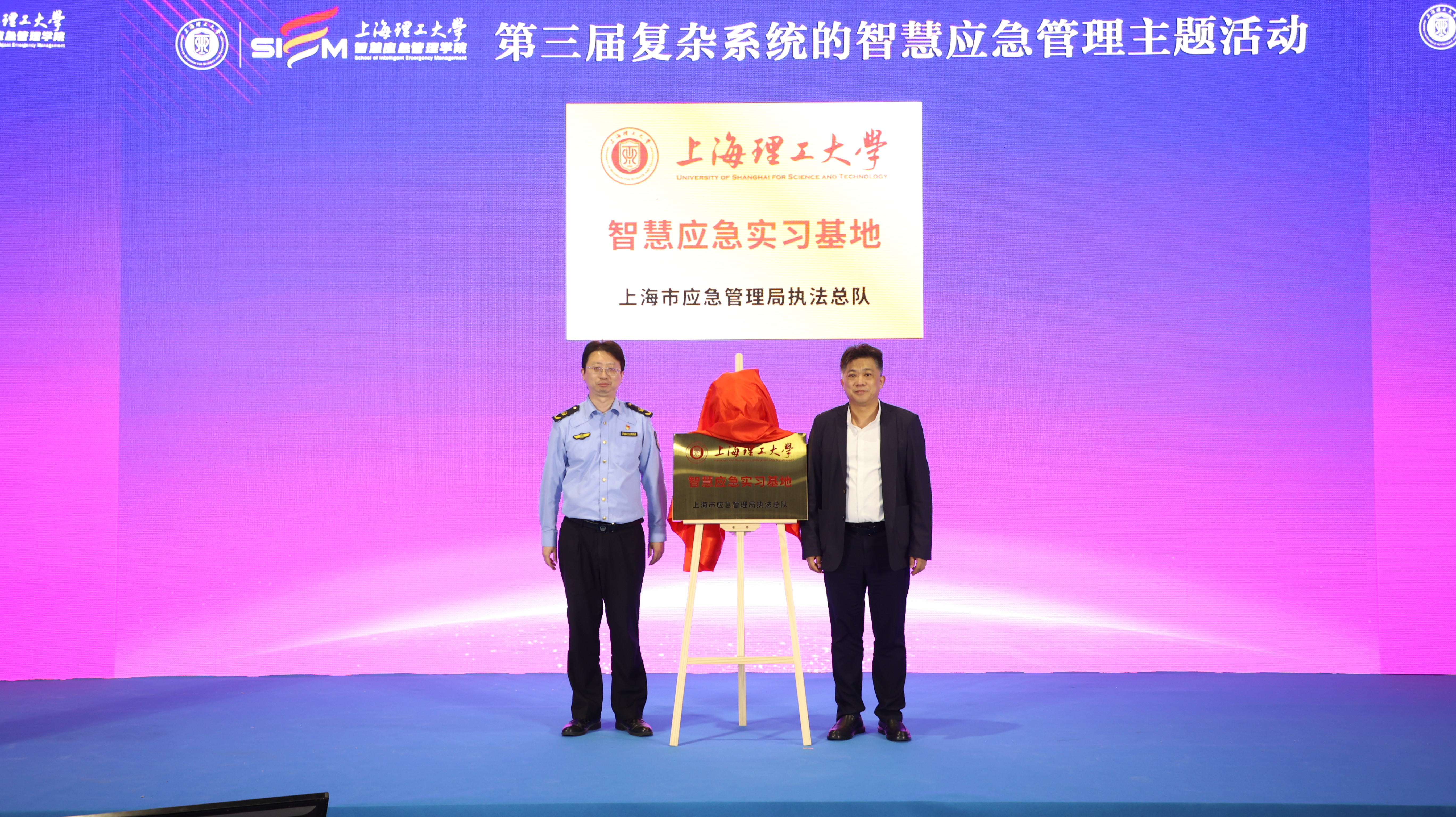
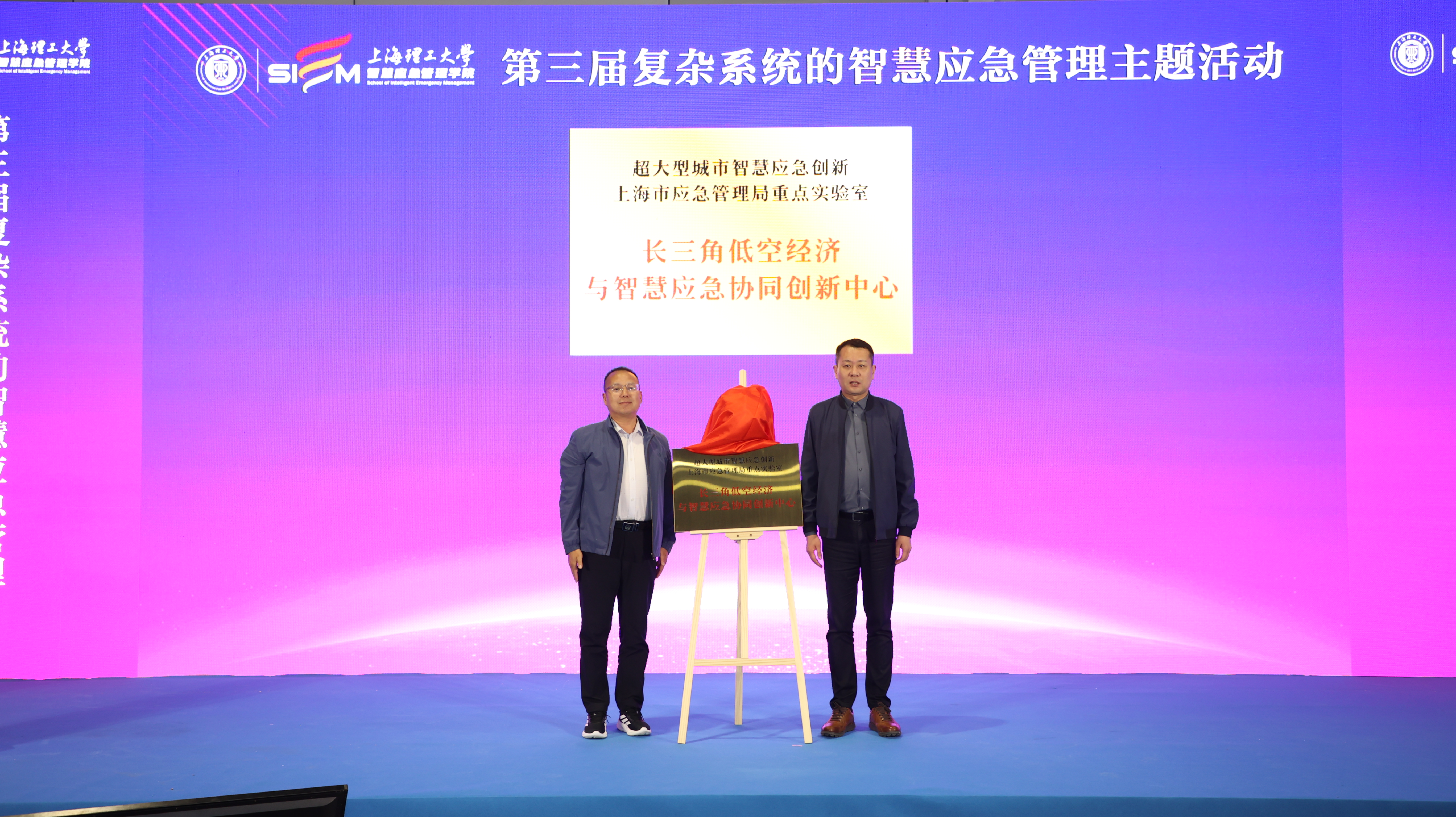
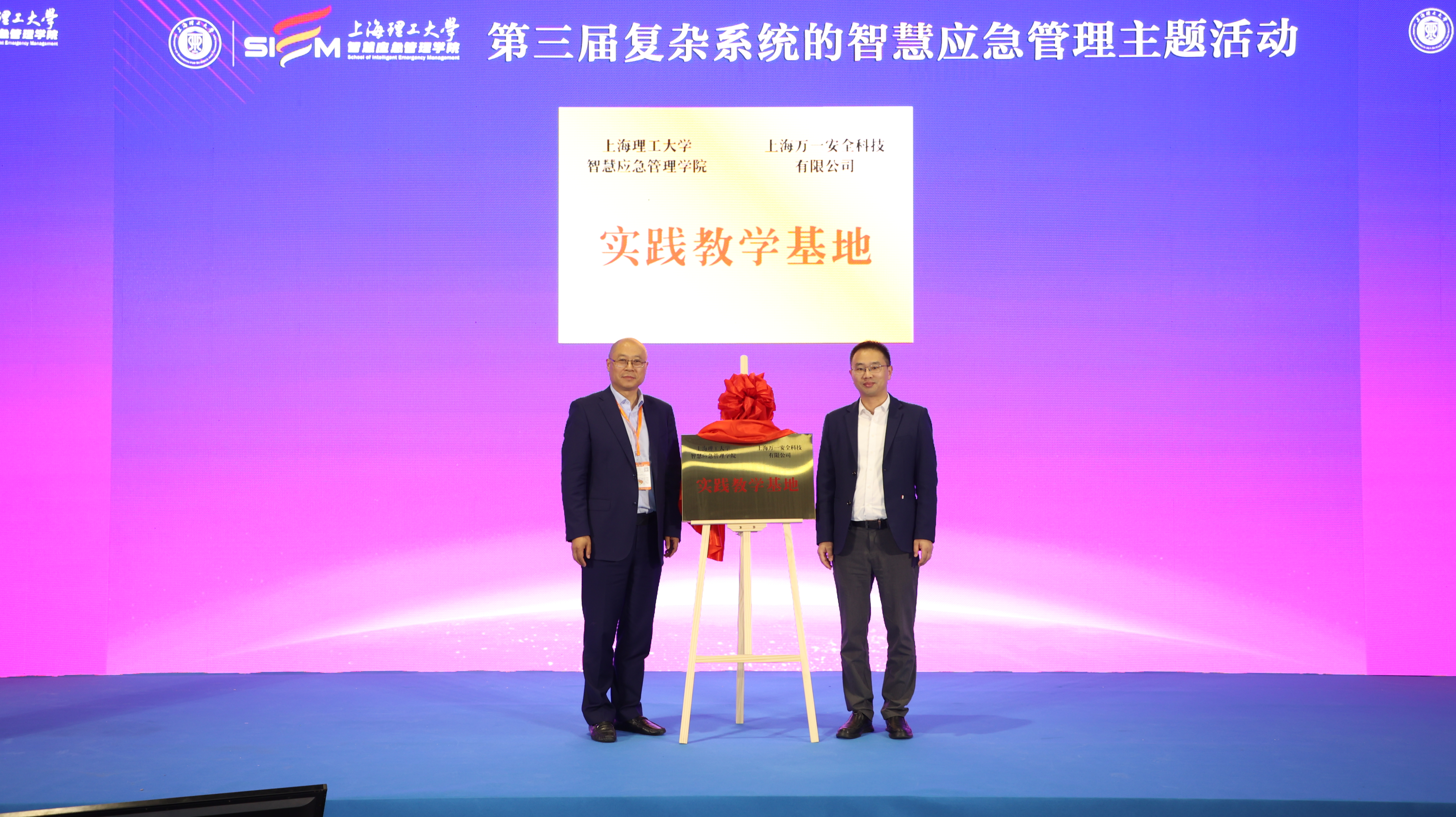
Unveiling Ceremony
Eleven senior industry experts from Honeywell Co., Ltd., PetroChina Shanghai Sales Company, Beike Innovation Group, the Advanced Technology Collaborative Innovation Center (Hefei), Huiguang Intelligent Technology Co., Ltd., Shanghai Zhexun Information Technology Co., Ltd., Shanghai LangXAI Co., Ltd., Lanxiang Big Data Technology Co., Ltd., Shanghai Wanyi Safety Technology Co., Ltd., and Shanghai Weetgo Technology Co., Ltd. were appointed as enterprise mentors of USST. This appointment will further advance the university-wide discussion on educational philosophy, deepen the collaborative education system integrating industry and education, and promote precise alignment among industry, academia, and research in the field of complex systems management. In the future, these mentors will be deeply involved in talent cultivation, curriculum development, practical teaching, and other aspects of the university’s educational work, helping to integrate frontier industry practices with university talent training and supporting USST in cultivating more interdisciplinary talents who meet industry needs.
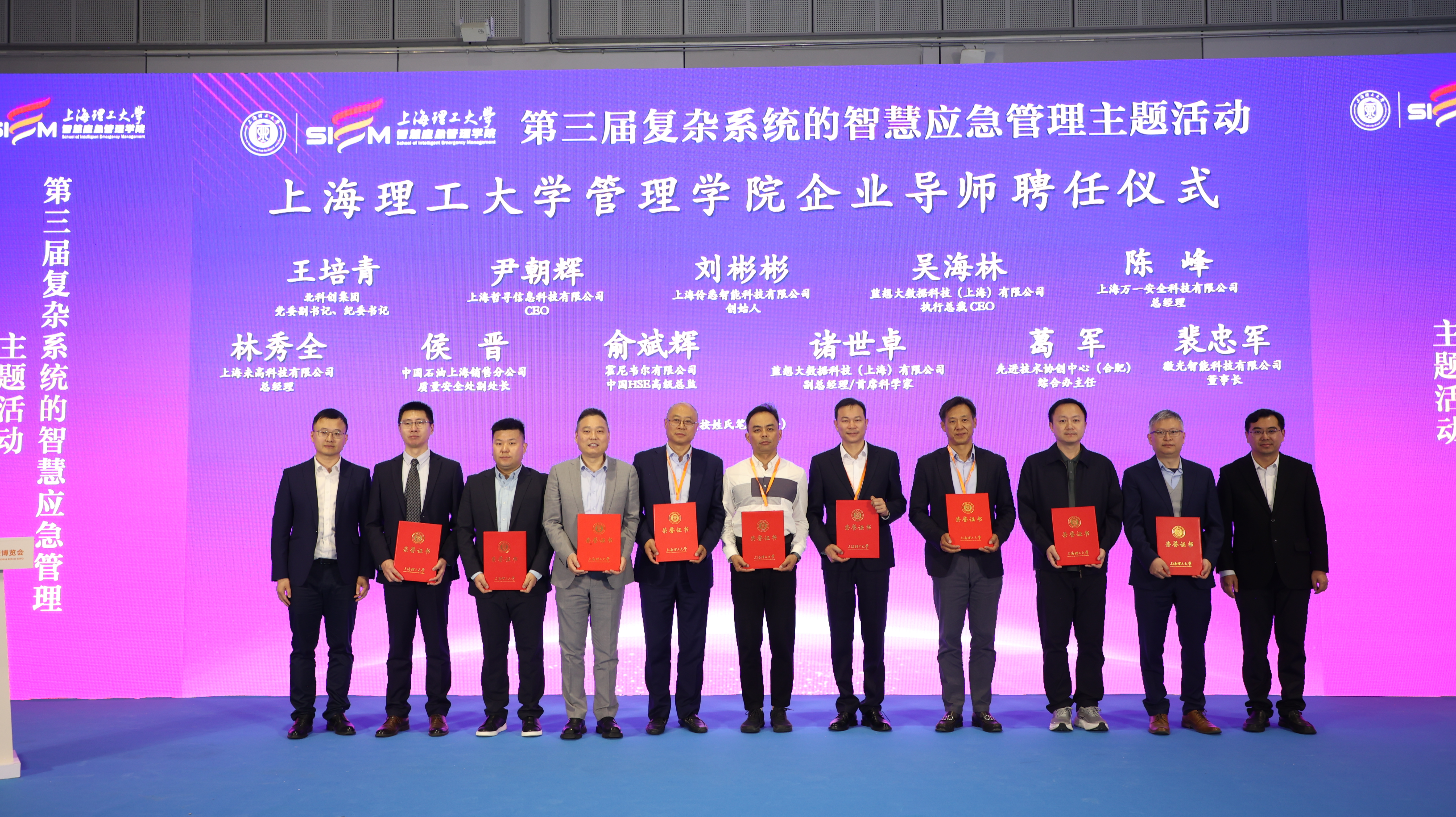
Appointment Ceremony
During the keynote session, three leading experts shared their insights on frontier directions in intelligent emergency management. Professor Zhang Wenjun, Fellow of the Canadian Academy of Engineering, systematically reviewed resilience theory and disaster management methods, and offered forward-looking perspectives on the future technological directions of intelligent emergency management. Professor Yuen Kwok Kit, Fellow of the Hong Kong Academy of Engineering Sciences, presented the latest innovations in building evacuation models under fire scenarios, providing key technical support for urban fire safety design. Yu Binhui, Senior HSE Director of Honeywell China, offered practical solutions for enterprises to build implementable workplace safety and emergency management systems from the perspective of the evolution from process safety to system safety.
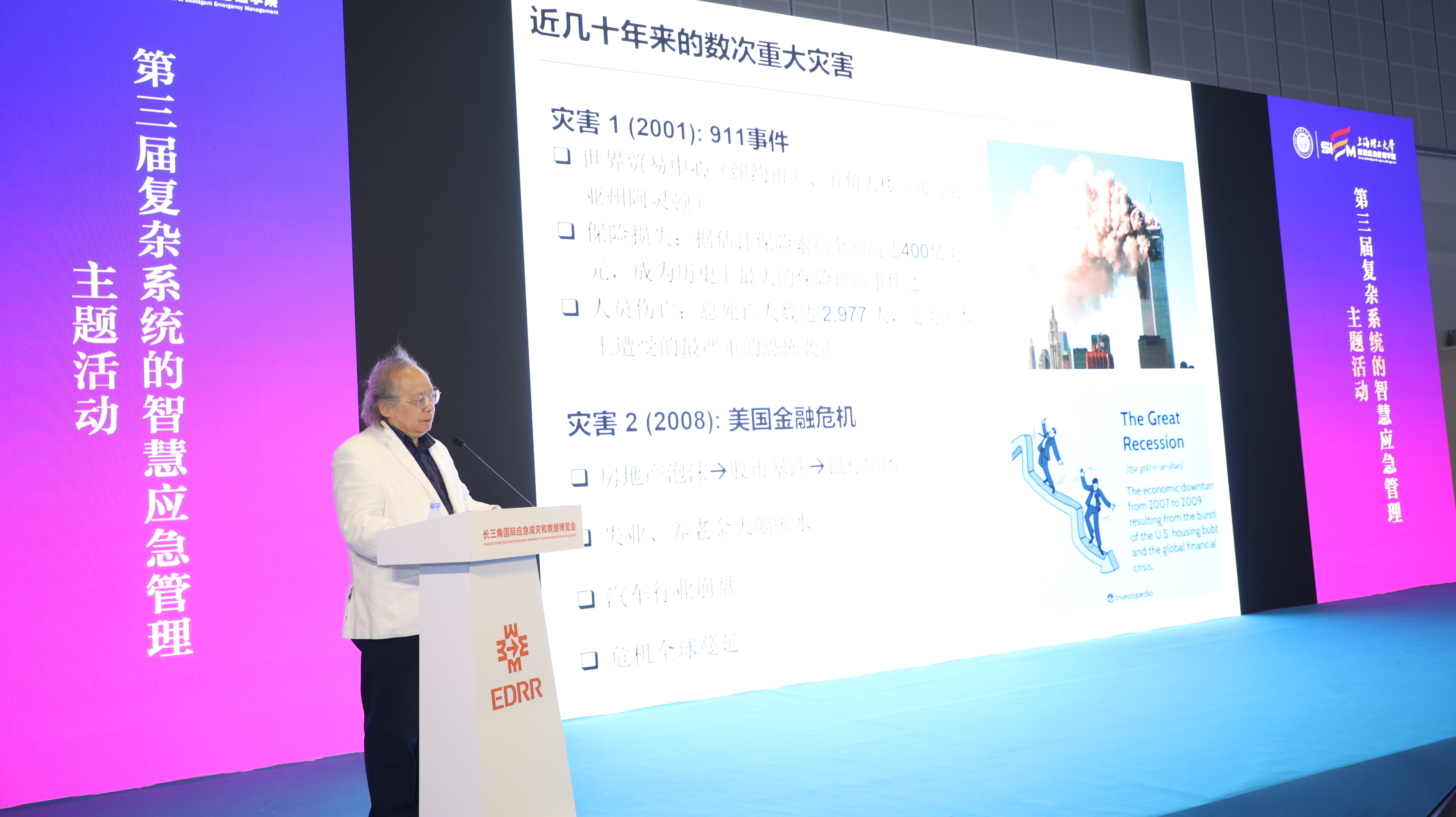
Zhang Wenjun Delivered Report
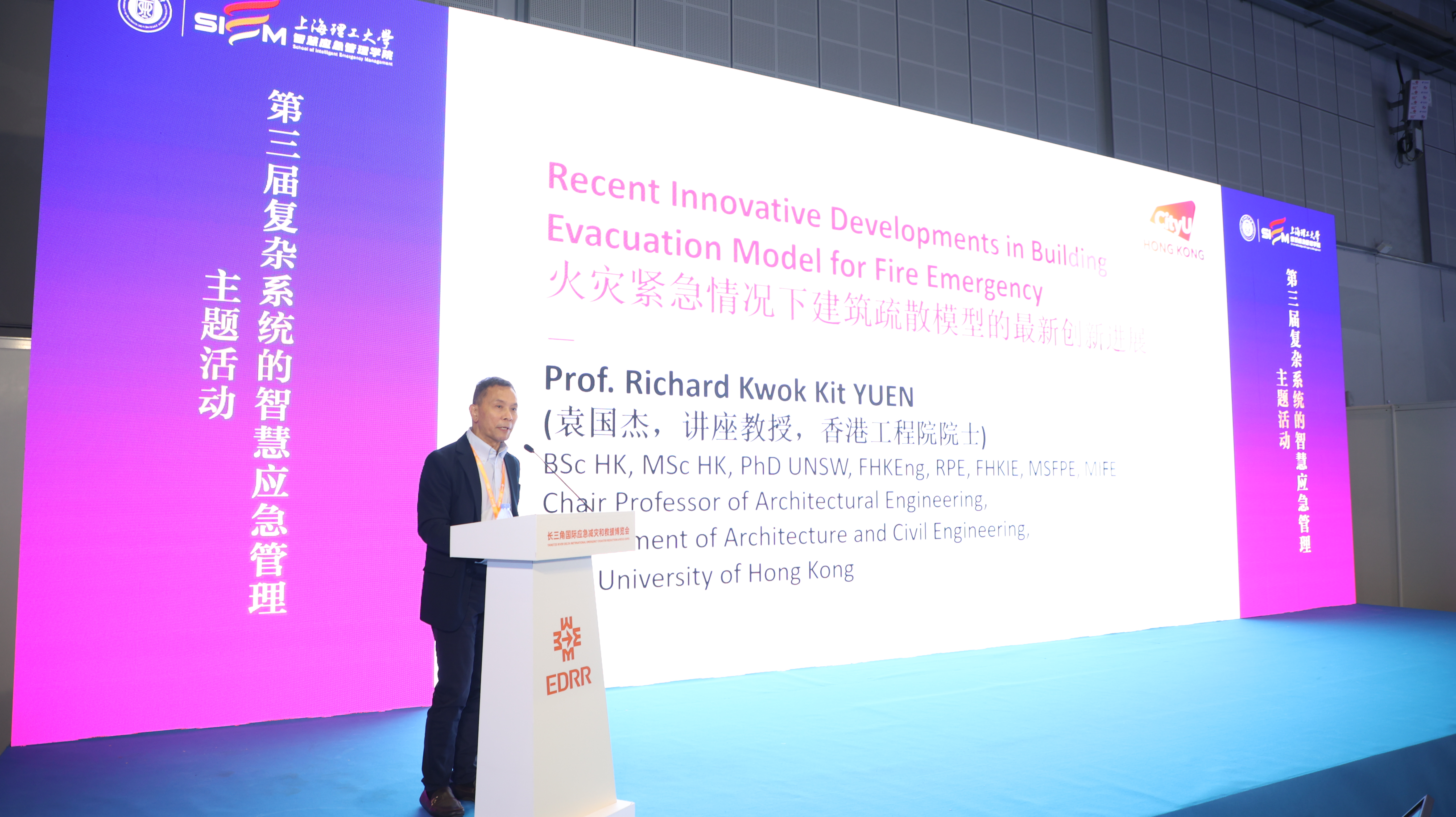
Yuan Guojie Delivered Report
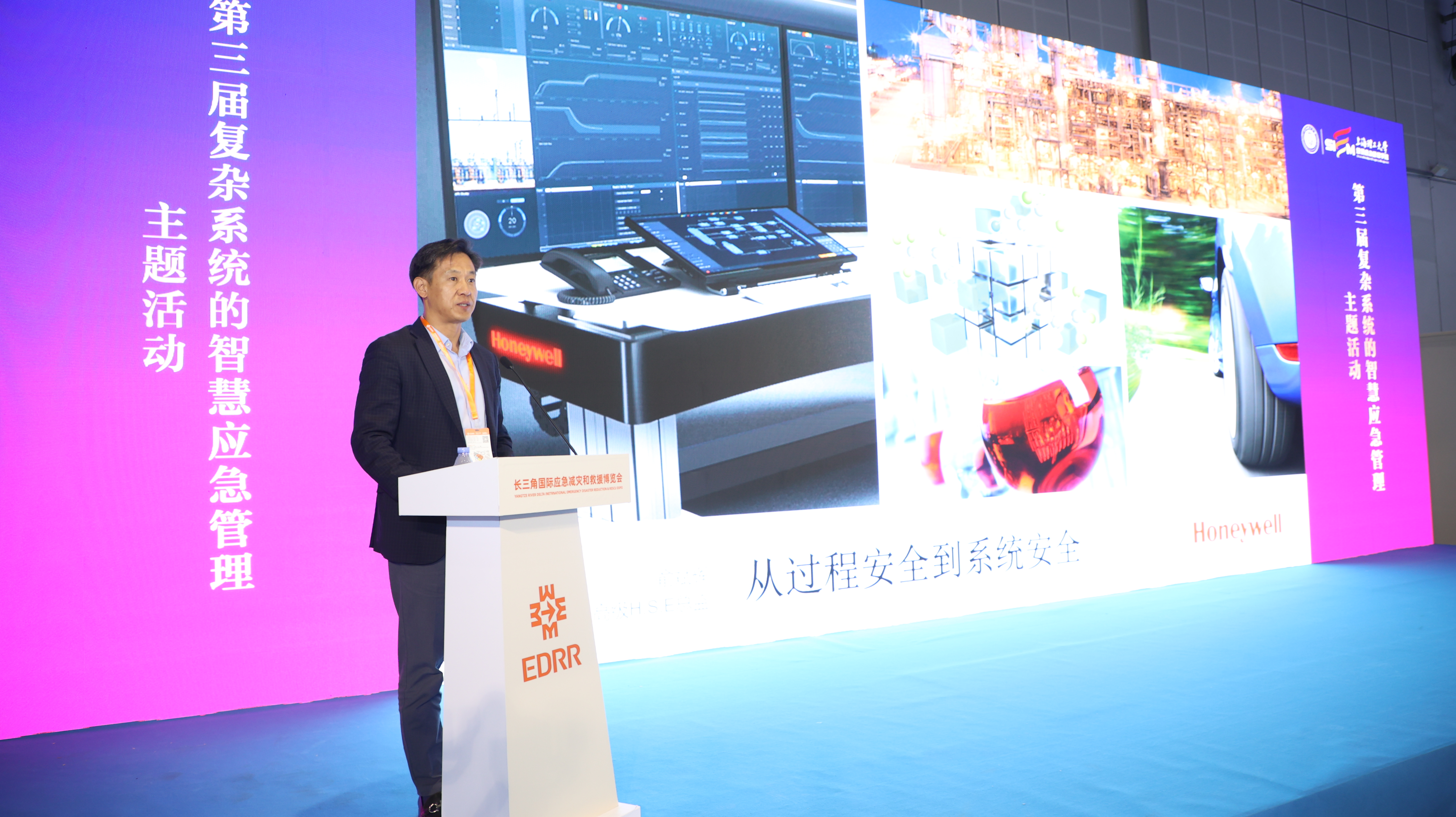
Yu Binhui Delivered Report
USST showcased six major cutting-edge achievements from the Key Laboratory for Intelligent Emergency Innovation in Megacities at the Fifth Yangtze River Delta International Emergency Expo. At the “Quantum City + AI Safety Governance Practice Demonstration” booth of the Law Enforcement Corps of the Shanghai Municipal Emergency Management Bureau, USST presented a range of frontier technologies, including intelligent decision-making for hazardous chemicals, intelligent management of large passenger flows, intelligent evacuation guidance, a multi-user online emergency drill platform, miniature synthetic aperture radar, and an emergency queuing simulation system. These achievements fully demonstrated the university’s research strength and commitment to innovation in empowering urban safety governance through science and technology. Guests, faculty members, and students attending the event also visited the exhibition and experienced USST’s advanced technological achievements on site.
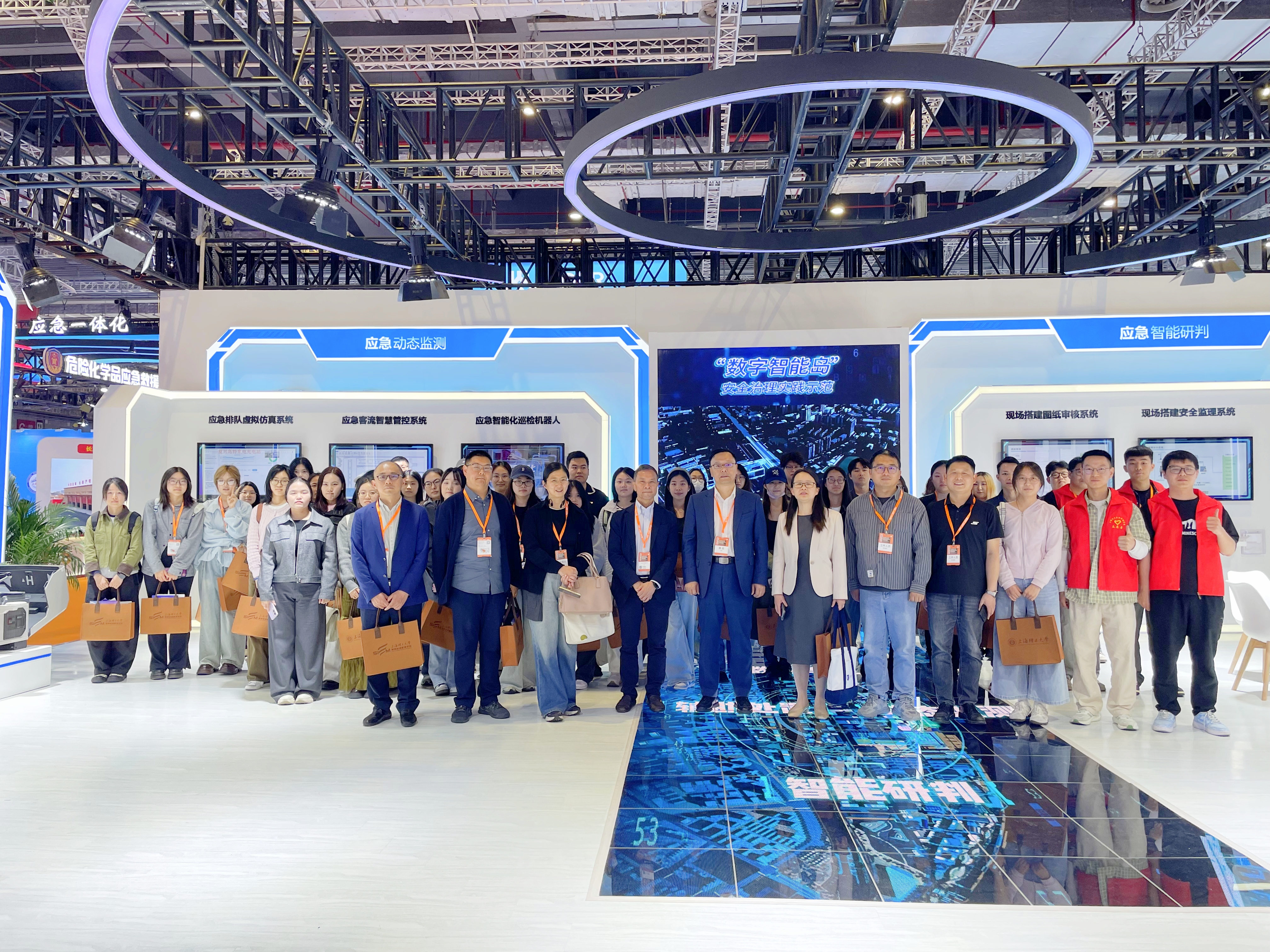
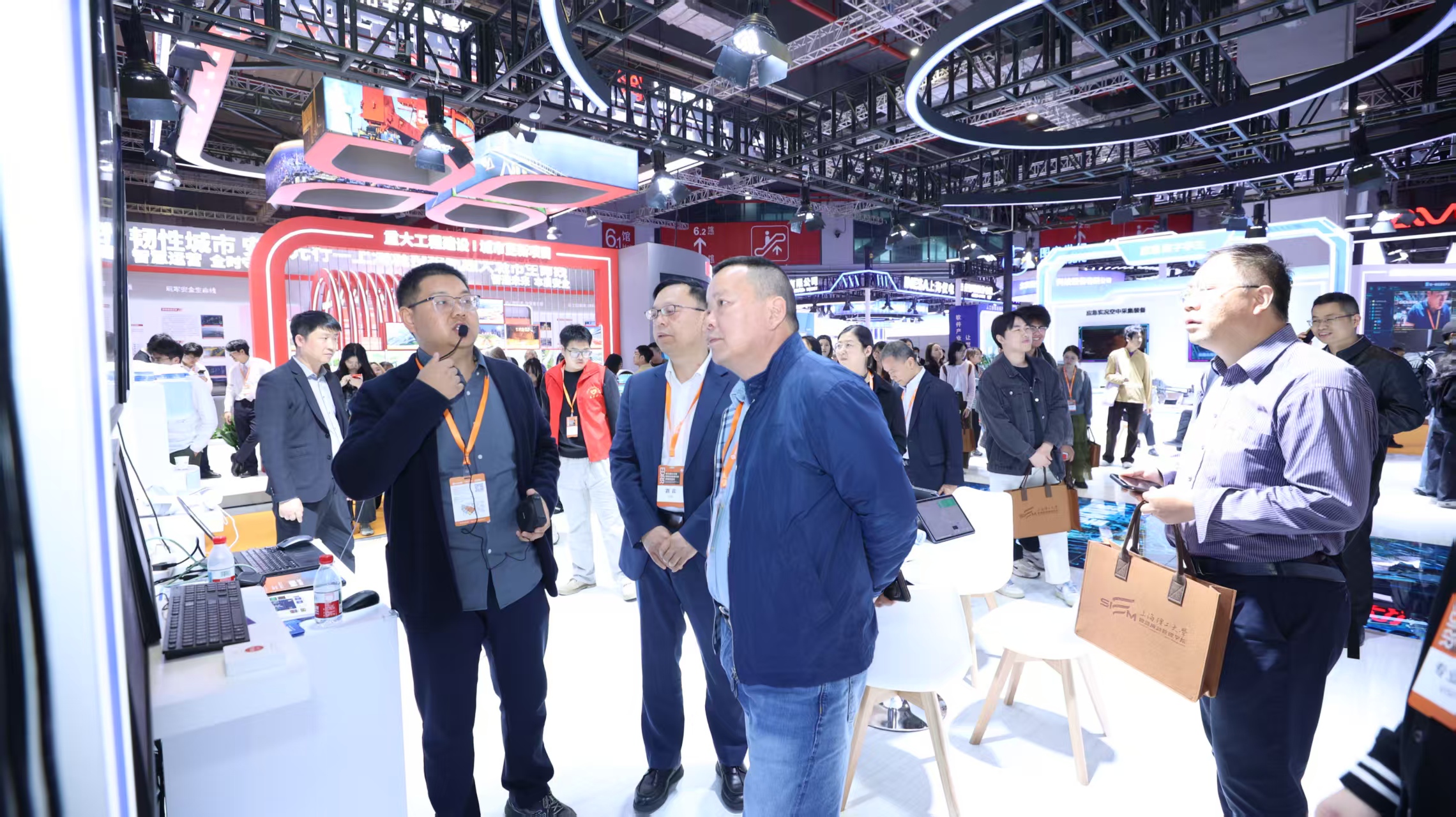
Achievements Exhibition
The event not only deepened collaborative cooperation among universities, local governments, and enterprises in the field of intelligent emergency management, but also built a broad platform for academic exchange, technological innovation, and industry-education integration. Standing at a new historical starting point as USST celebrates its 120th anniversary, the university will carry forward its 120-year academic legacy, continue to build on its strengths in systems management, and promote the deep integration of artificial intelligence and emergency management. USST will continue to contribute its wisdom and solutions to the construction of Shanghai as a resilient and safe megacity, the integrated development of emergency management in the Yangtze River Delta, and the modernization of China’s emergency management system and capabilities.
Translated by Zhu Hongyu
Reviewed by Liu Weiwei, Wei Xin