From May 15 to 17, 2026, the 10th Conference on Systems Science of China(CSSC), hosted by the Shanghai Academy of Systems Science(SASS) and the Steering Committee of CSSC, organized by Wuhan University of Science and Technology, and co-organized by the Business School of USST, was held in Wuhan. Ding Xiaodong, Convener of the Systems Science Discipline Appraisal Group of the Academic Degrees Committee of the State Council and Professor at the USSTBS; Zhang Zhong, President of the SASS and Vice President of USST; Zhao Laijun, Executive President of SASS and Dean of USSTBS; Gao Yan, Executive Vice President of SASS and Professor of USSTBS; Zhao Jing and Fang Zhiming, Vice Deans of USSTBS; Zhi Luping, Office Director of the SASS; as well as more than 40 faculty members and students from the Business School attended the conference.
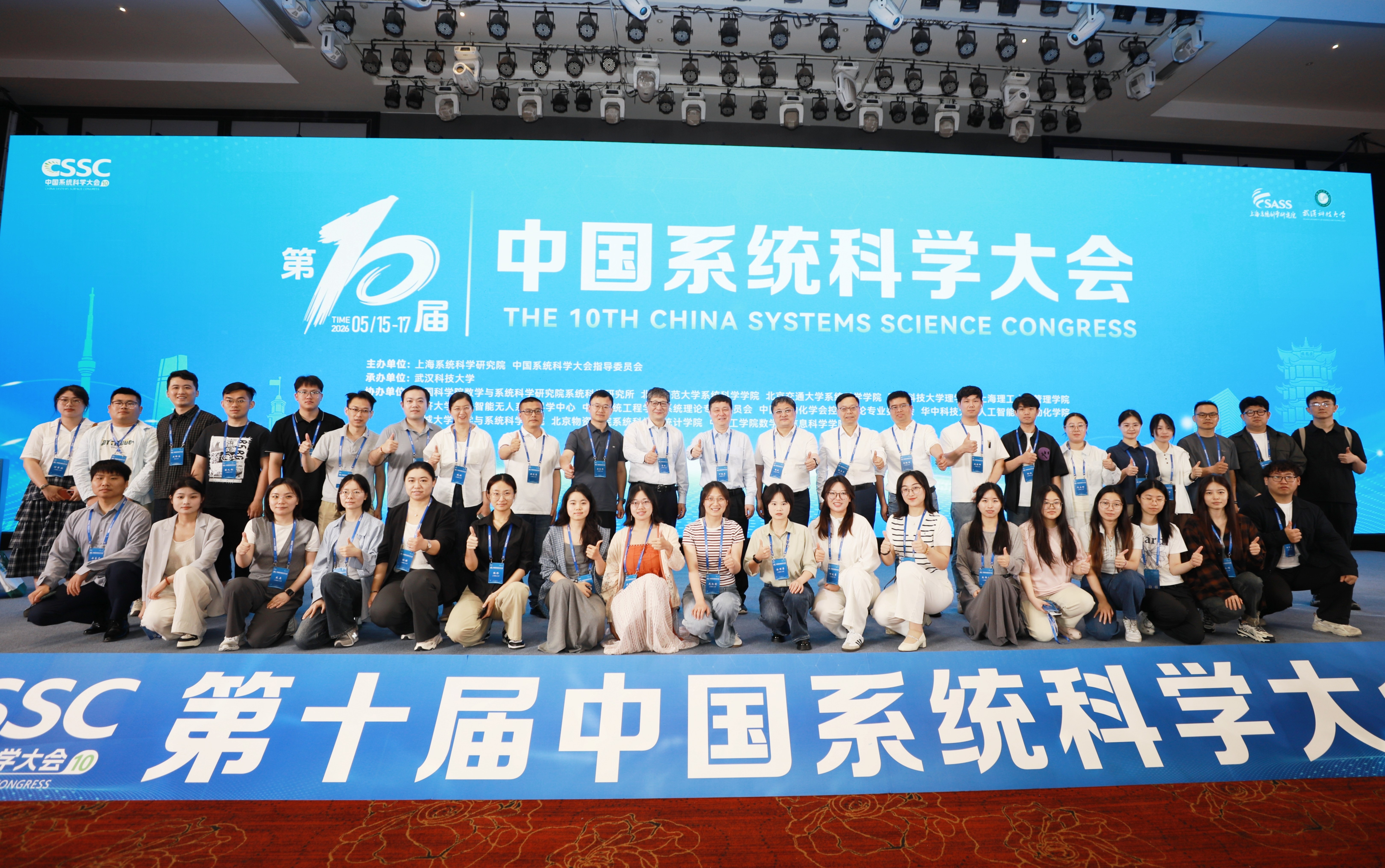
Group Photo of Participating Faculty and Students
Since its founding in 2017, the CSSC has been held for ten consecutive sessions. It is the largest, highest-level, and most authoritative national academic conference in China’s systems science field, and has received broad recognition and support from universities, research institutes, and industry experts and scholars across the country. With the mission of establishing systems science and advancing the disciplinary development of systems science, the conference conducts in-depth discussions on systems methodology, systems evolution theory, systems cognition theory, systems control theory, systems engineering, and related interdisciplinary fields. Under the theme of “AI for Complex Systems”, this year’s conference focused on academic frontiers and promoted cross-disciplinary innovation between systems science and artificial intelligence, attracting more than 2,100 experts and scholars from universities, research institutes, and enterprises at home and abroad. The three-day conference featured plenary reports, thematic seminars, pre-conference lectures, parallel sessions, and poster presentations, bringing together leading experts, young scholars, and graduate students for extensive exchange and cooperation, and strongly promoting the high-quality development of China’s systems science discipline and academic collaboration.
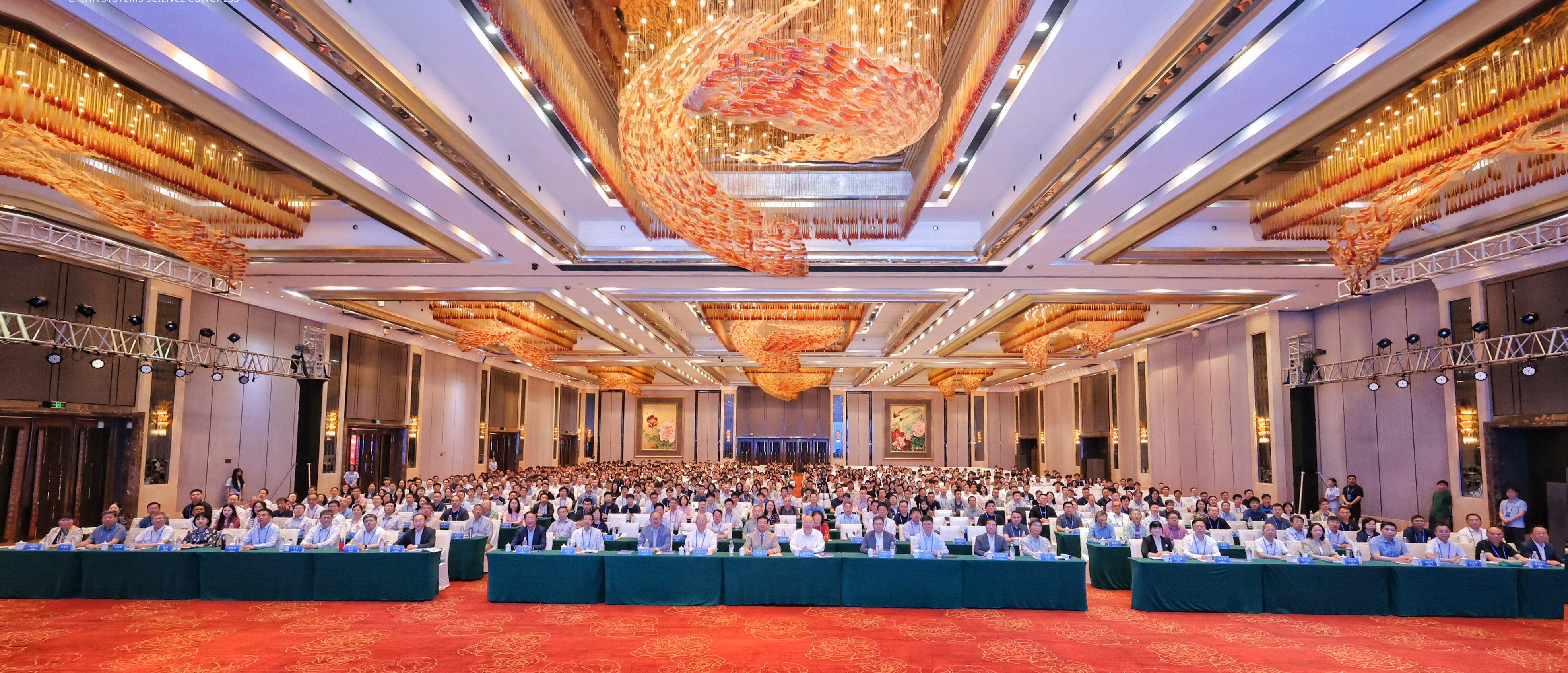
Conference Venue
On May 16, Ding Xiaodong delivered a speech at the opening ceremony on behalf of the Steering Committee of the CSSC. He noted that, after ten years of sustained development, the conference has grown into an academic exchange platform that brings together top scholars from across the country and carries broad influence, fully demonstrating the vitality of China’s thriving systems science discipline. He emphasized that amid the wave of artificial intelligence, systems science is gradually becoming the “underlying logic” of intelligent technology development, and that young scholars are born at the right time and shoulder important responsibilities. The Systems Science Discipline Appraisal Group of the State Council will continue to provide strong support for disciplinary development and work together with colleagues in the academic community to promote China’s systems science in achieving a historic leap from “running alongside” to “leading”.
At the conference, keynote reports were delivered in succession by Huang Qifan, Research Fellow and Executive Vice Chair of the Academic Committee of the China Institute for Innovation and Development Strategy; Academician Ding Lieyun of Huazhong University of Science and Technology; Academician Guan Xiaohong of Xi’an Jiaotong University; Academician He Fuchu of the National Center for Protein Sciences; Academician Hu Shimin of Tsinghua University; and Chief Designer Li Minghua of the China Academy of Launch Vehicle Technology. Their reports were titled “Emphasizing the Use of the ‘Three Theories’ for Scientific Regulation in Economic and Social Development”, “Safety Early Warning System for Metro Engineering”, “Systems Engineering Theory and Application of Zero-Carbon Smart Energy Systems”, “The Human Proteome Navigation (π-HuB) International Big Science Program: AI Navigation for the Complex Human System”, “Large Model Evaluation Benchmarks and an Independent Software and Hardware Ecosystem”, and “Methods and Practice of Aerospace Complex Systems Engineering”.
The conference featured a thematic seminar on “Review and Outlook of the Conference on Systems Science of China”. Ding Xiaodong delivered a thematic report on behalf of the Shanghai Academy of Systems Science, the conference host, and USST, the organizer of the sixth conference. He comprehensively reviewed the conference’s ten-year development history and major achievements, summarized the Shanghai Academy of Systems Science’s experience in disciplinary development and academic platform construction, paid tribute to Qian Xuesen and other senior scholars for their contributions to the development of systems science, expressed gratitude to Academician Guo Lei and other experts for their guidance and support for the conference, and looked ahead with the hope that the conference will continue to drive innovation and development in the systems science discipline.
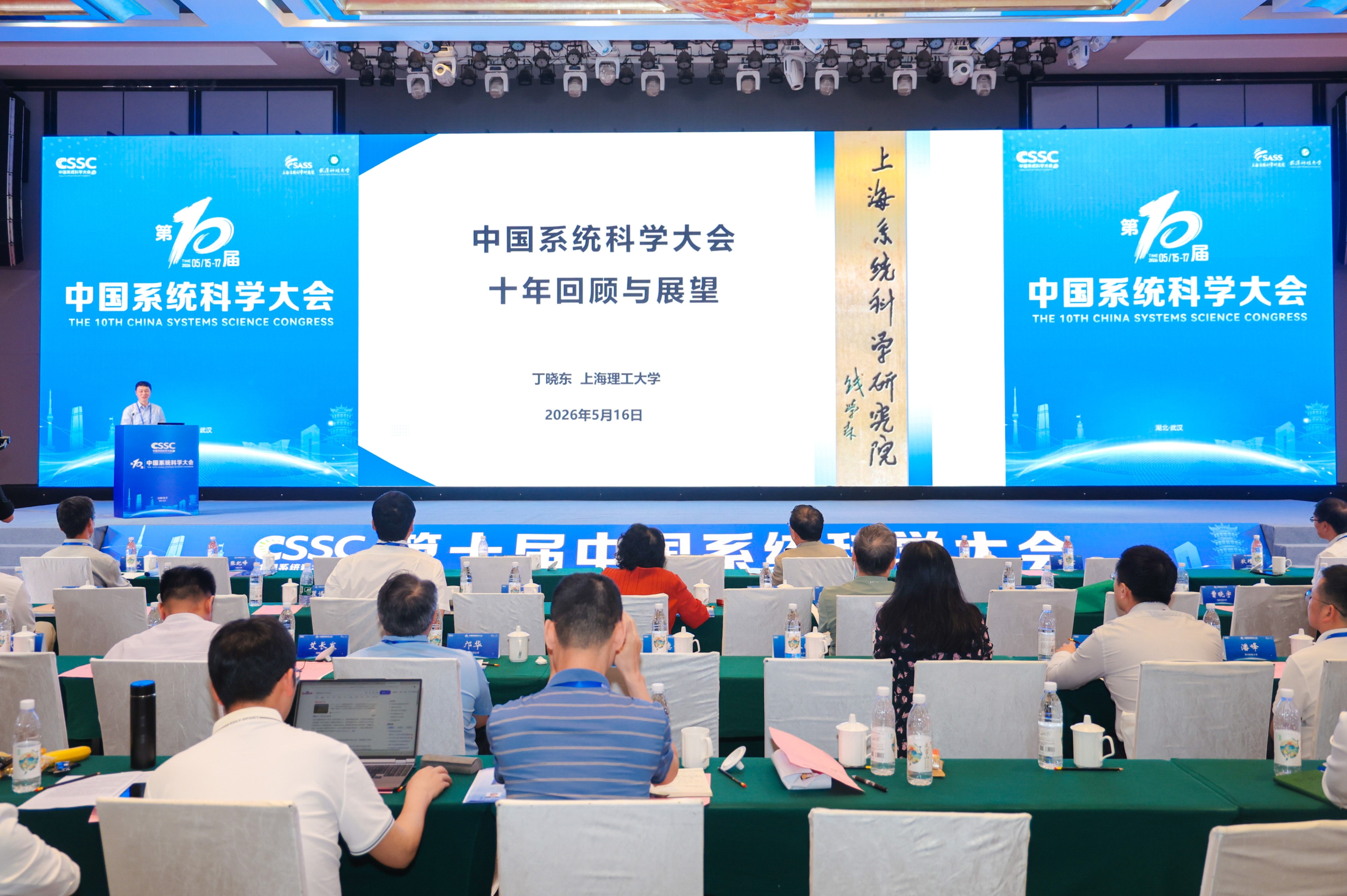
Ding Xiaodong Delivered a Thematic Report
Zhao Jing organized the parallel session “Transportation-Energy Integration Empowers Sustainable Development of Public Transit”; Gao Yan delivered a pre-conference lecture titled “Real-Time Pricing Strategy Based on Demand Response for Smart Grid” and organized the parallel session “Demand Response and Intelligent Regulation in New Power Systems”; Gu Changgui organized the parallel sessions “Dynamics on Complex Networks” and “Complex Networks and Brain-Like Intelligence”; and Fang Zhiming organized the student forum “Complex Networks and Complex Systems”. More than 20 doctoral students from the Business School gave parallel-session reports, poster presentations, and student forum presentations.
At the closing ceremony on May 17, Zhao Laijun, on behalf of the Shanghai Academy of Systems Science, the host institution of CSSC, received the conference flag from Wuhan University of Science and Technology, the organizer of the 10th Conference, and passed it to Zhongyuan University of Technology, the organizer of the 11th Conference on Systems Science of China.
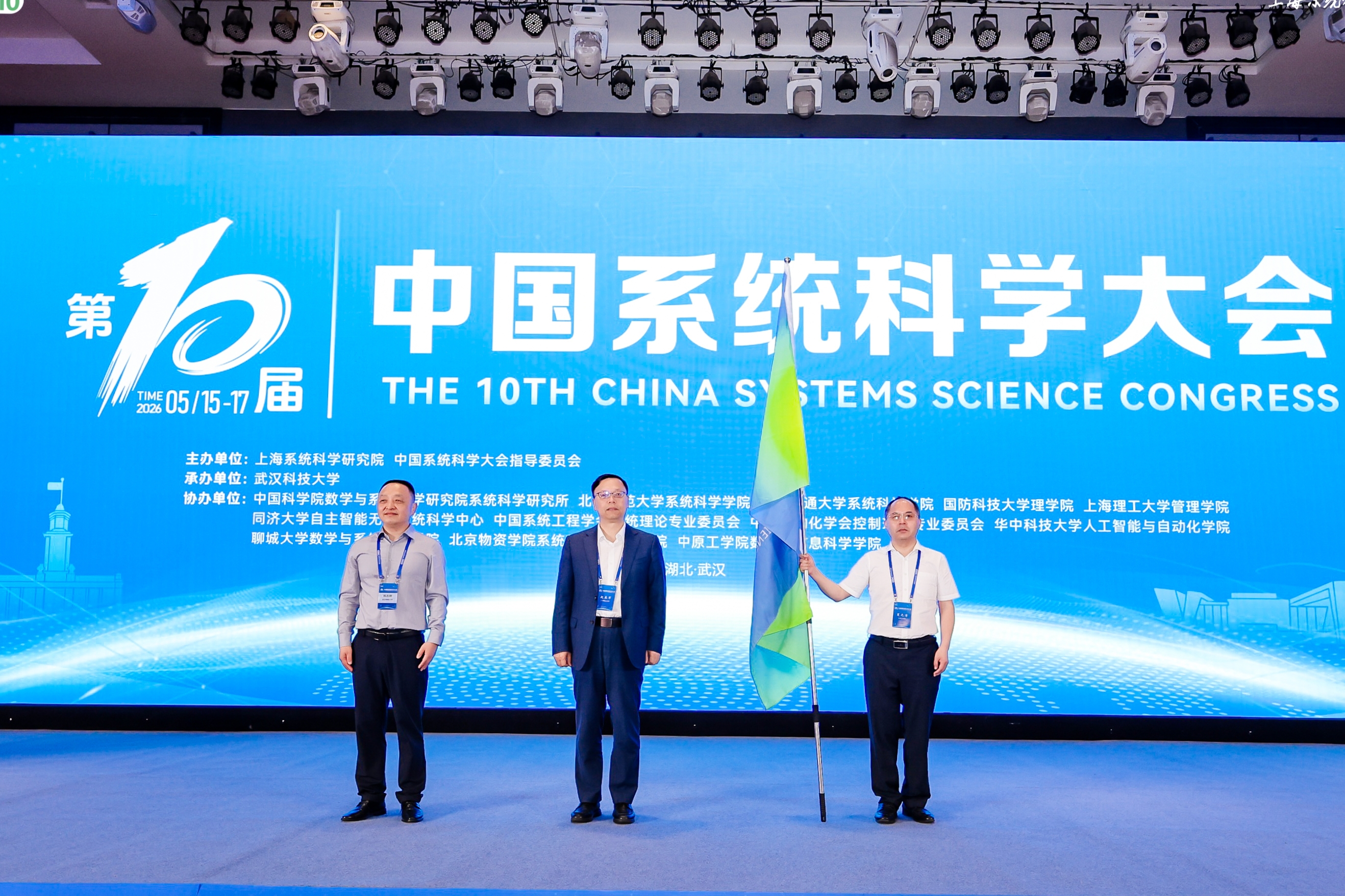
Conference Flag Handover Ceremony
Translated by Wang Yingjia
Reviewed by Liu Weiwei, Wei Xin